Affordability
One of the few British cities where an engineer can buy a home near the work. That is a strategic asset, not a footnote.
UK Innovation Zone 02
Where biology becomes something Britain makes.
Engineering biology reaches into medicine, materials, food, chemicals and energy. The constraint is rarely the science. It is fermentation, scale-up and manufacturing capacity.
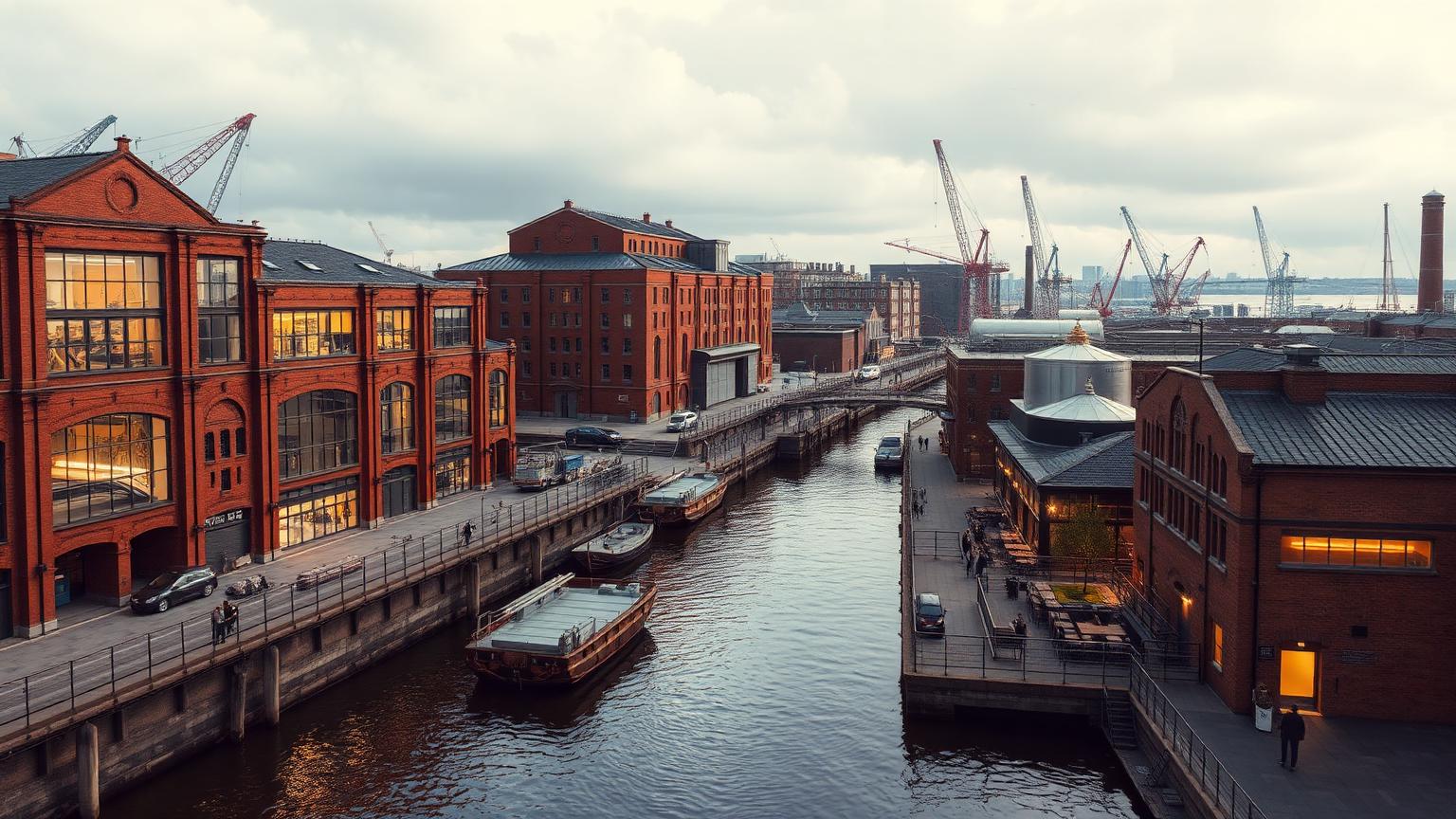
An illustration of how a future UKIZ Zone could bring research, enterprise, homes, public life and nature together. Concept only — no site has been selected and no development is proposed.
The vision
Engineering biology is where Britain is strongest on paper and weakest on plant. We design organisms superbly and then queue for fermentation capacity abroad, often losing the process — and the company — in the queue.
What is missing is unglamorous: pilot-scale halls, power, water, effluent, process engineers and someone willing to underwrite the first ten thousand litres.
An Engineering Biology Zone on a working waterfront would put strain design, pilot fermentation, downstream processing and packing within one site — steel tanks behind Victorian brick, and a dock that already knows how to ship.
What exists
Verified organisations, research and infrastructure already in Britain.
What could exist
The UKIZ vision for the place these strengths could become.
What we need
The partners, land, capital and infrastructure required to close the gap.
Imagine this place
The Axis
The central pedestrian route connecting people, ideas and opportunity.
The Forum
The public heart: meetings, demonstrations, events, exhibitions, food and collaboration.
Research & innovation
Laboratories, university departments, specialist research and testing facilities.
Startups & scale-ups
Flexible space for companies to start, grow and stay within the ecosystem.
Industry
Established businesses, manufacturing, prototyping and commercialisation.
Capital
Where founders, investors and institutions naturally meet.
Education
Universities, apprenticeships, technical education and lifelong learning.
Homes
Housing for different ages, incomes and stages of life.
Public life
Restaurants, cafés, pubs, shops, culture, sport and entertainment.
Nature
Green corridors, water, biodiversity, running, walking and cycling.
Transport
Fast connections into the city, the region, the airport and the national UKIZ network.
Eleven Zones, not eleven identical campuses. Architecture and public realm answer to local materials, existing buildings, industrial heritage, landscape, climate and culture. What is shared is the Axis principle, the public realm philosophy, wayfinding, quality standards, connectivity and the operating model — never the buildings.
Applied to Engineering Biology & Biomanufacturing, that means local materials and existing buildings first — never a transplanted business park.
Brick warehouses, dock water, weather off the Irish Sea and a city that has always made things for elsewhere. Liverpool knows how to run a port, a process and a shift pattern.
Why here
Existing advantage
The gaps clustering could close
Geographic hypothesis: Distributed. Core capability concentrates around Cambridge, Liverpool, Norwich and the East, with complementary strength in Edinburgh, Manchester and Teesside. No site has been selected.
What exists today
Verified organisations already working in this field inside the candidate ecosystems. Recorded in the UKIZ map with source and date — not a membership list or an endorsement.
Universities
University of Cambridge
Cambridge
Research institutes
Wellcome Sanger Institute
Cambridge
Research institutes
MRC Laboratory of Molecular Biology
Cambridge
Specialist facilities
Babraham Research Campus
Cambridge
Specialist facilities
Cambridge Science Park
Cambridge
Universities
University of Liverpool
Liverpool City Region
Research institutes
Liverpool School of Tropical Medicine
Liverpool City Region
Government programmes
Liverpool City Region Freeport
Liverpool City Region
Catapult centres
Centre for Process Innovation
Teesside & the Humber
Government programmes
Humber Freeport
Teesside & the Humber
Life around the Zone
Affordability
One of the few British cities where an engineer can buy a home near the work. That is a strategic asset, not a footnote.
Culture
Two cathedrals, a Tate, a music scene with no interest in your approval, and football as civic religion.
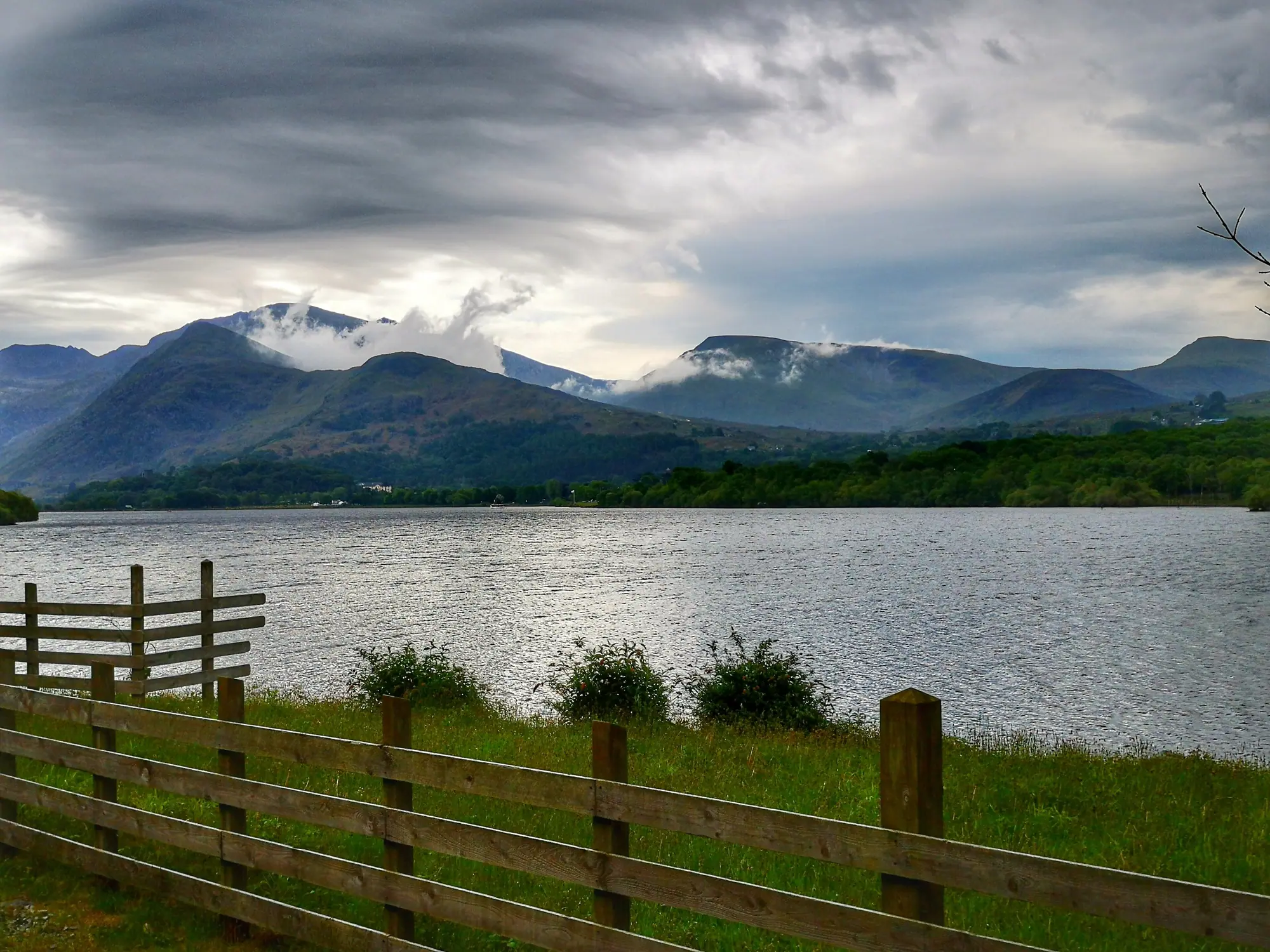
Nature
Beaches at Crosby and the Wirral; Snowdonia and the Lakes both inside two hours.
Hefin Owen from Wales / Wikimedia Commons · CC BY-SA 2.0Getting out
Manchester in forty minutes, an airport in the city, a port that reaches the world.
24 hours here
07:30
Ferry or bike along the dock road; the water is the colour of the sky, which is not a compliment.
09:00
Batch review. The 200-litre run held titre; the 2,000-litre run did not.
11:00
Cross to the process hall. Someone from the brewery next door knows exactly why.
13:00
Lunch in the Forum with a food scientist and a packaging engineer arguing about shelf life.
15:00
Techno-economic model with an investor who wants cost per kilogram, not a Nature paper.
17:00
Apprentices running clean-in-place on the pilot skid.
19:00
Baltic Triangle for food; a gig afterwards because there is always a gig.
Saturday
Sefton Park, the Wirral coast, or Snowdonia in ninety minutes.
Illustrative. A day in another Zone would read nothing like it — which is the point.
Proposed national innovation mission
Help build with biology.
Make Britain a place where engineered biology is manufactured, not only invented
The people, companies, research and technologies programming living systems to make materials, medicines, food and fuels.
Proposed by UKIZ · independent · not a government designation
Learn
Understand the field.
Study
Courses, universities, apprenticeships and pathways.
Work
Companies, careers, skills and opportunities.
Build
Startups, programmes, facilities and support.
Research
Research organisations, collaboration and commercialisation.
Invest
Companies, investors and emerging opportunities.
Collaborate
Needs, offers, projects and challenges.
Meet
Events, gatherings and eventually Innovation Camps.
These are participation paths, not membership tiers. Joining the mission is how UKIZ knows which of them to put in front of you.
Follow
Email only. No account. Unsubscribe in one click.
Join the conversation
Meet and exchange ideas with people interested in this mission.
The official LinkedIn group for this mission is being set up. Join the mission and it will appear here when it opens.
Interest in this Zone
UKIZ is assembling the companies, universities, researchers, investors, public bodies and people who could make this Zone real.
Register my interestCurrent UKIZ intervention hypothesis
The science is not the constraint. Pilot and commercial fermentation capacity is scarce, and the cost of a first-of-a-kind plant is beyond what any single company can justify. Where a mission requires capital equipment no one firm will fund alone, shared infrastructure is a credible hypothesis.
What could change our view?
Core capability means a particularly strong concentration relevant to this mission. Connected capability means other ecosystems contributing important complementary strength. UKIZ maps capability before allocating prestige: no place has been designated the home of any mission.
Core capability
Connected capability
What is a UK Innovation Zone?
A UK Innovation Zone is a mission-led ecosystem connecting the places, organisations, capital, infrastructure and people required to turn British capability into commercial outcomes.
A Zone may have a physical centre where evidence demonstrates that new infrastructure or concentration would create additional value. But the network comes first.
01 — THE MISSION
Engineering biology reaches into medicine, materials, food, chemicals and energy. The constraint is rarely the science. It is fermentation, scale-up and manufacturing capacity.
02 — WHY IT MATTERS
Comparable in function to Denmark's industrial biotechnology base or the US BioMADE model.
03 — WHERE THE CAPABILITY IS
Current geographic hypothesis: Distributed. Core capability concentrates around Cambridge, Liverpool, Norwich and the East, with complementary strength in Edinburgh, Manchester and Teesside.. This is indicative geography — a record of where relevant capability is concentrated today, not a decision that this mission belongs to one place or that anything would be built there.
04 — EXISTING STRENGTHS
05 — ECOSYSTEM PARTICIPANTS
The types of organisation and individual already active in this capability. Listing a participant type is a description of the ecosystem, not membership, endorsement or a commitment by anyone named or implied.
06 — INDUSTRIES
07 — UNIVERSITIES & RESEARCH
08 — INFRASTRUCTURE — EXISTING AND POTENTIALLY MISSING
Listing infrastructure is not a proposal to build it. Physical intervention is only recommended where evidence demonstrates additionality.
09 — THE COMMERCIALISATION PATH
10 — POTENTIAL OUTCOMES TO TEST
These are hypotheses to be tested, not forecasts, targets or guarantees. Each would need to pass the additionality test — would it happen anyway, or happen elsewhere in Britain? — before it counts as a reason to intervene. UKIZ makes no projections it cannot evidence.
How additionality is tested →Missions are national communities, but the work happens somewhere. These destinations have a specific angle on this mission — what pursuing it there would mean, and what living there is like. They are not the only places in Britain doing this work.
Engineering biology next door to the biology that produced it.
World-class science without living in a megacity.
Biomanufacturing with the port capacity to move what it makes.
Work on infection and biomanufacturing in a port city that has never been quiet.
Biofoundry capability alongside one of Europe's largest informatics schools.
Work on data and machines that think, in a city that looks like it was drawn.
Plant science, genomics and microbiology at one of Europe's largest research parks.
Plant science, genomics and offshore wind, between the Broads and the North Sea.
If this mission is your world — as a founder, researcher, operator, investor or institution — tell us what you could contribute and what you need.
Personalise UKIZ
Follow Engineering Biology & Biomanufacturing and we'll find companies, opportunities, events and people relevant to you.
Turn British discovery and NHS-scale clinical evidence into British medicines, devices and health companies
Convert two decades of national quantum research investment into British companies and customers
Hold and extend the parts of the semiconductor and photonics value chain where Britain is genuinely competitive
What we need
None of this is secured. Each line is an open invitation rather than an announcement.
The network
A life sciences company needs AI, materials and biomanufacturing. A space company needs semiconductors, robotics and energy. Eleven Zones only make sense if they can call on one another — which is why UKIZ is a national network rather than eleven separate developments.
What we need
Zones are not announced into existence. They are built by governments, universities, companies, investors, developers, operators and the people who would live there.
Build Engineering Biology & Biomanufacturing with us →Explore another Zone
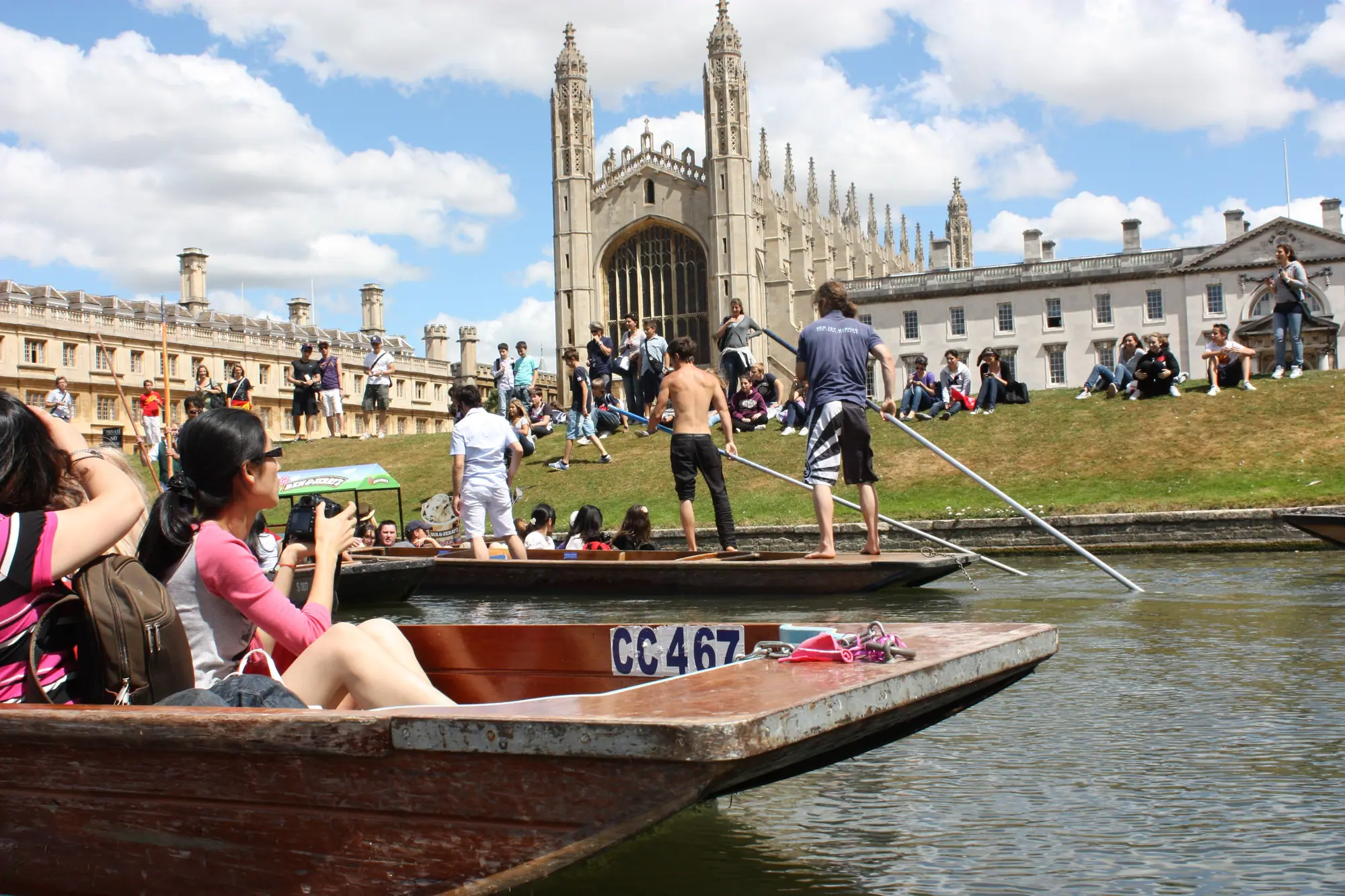
01
Existing strength · Cambridge
From discovery to treatment to global health.
Explore →

02
Existing strength · Cambridge
Where biology becomes something Britain makes.
Explore →

03
Existing strength · Bristol & Bath
Where the strange becomes useful.
Explore →

04
Existing strength · Cardiff & South Wales
Where light and silicon carry the country.
Explore →
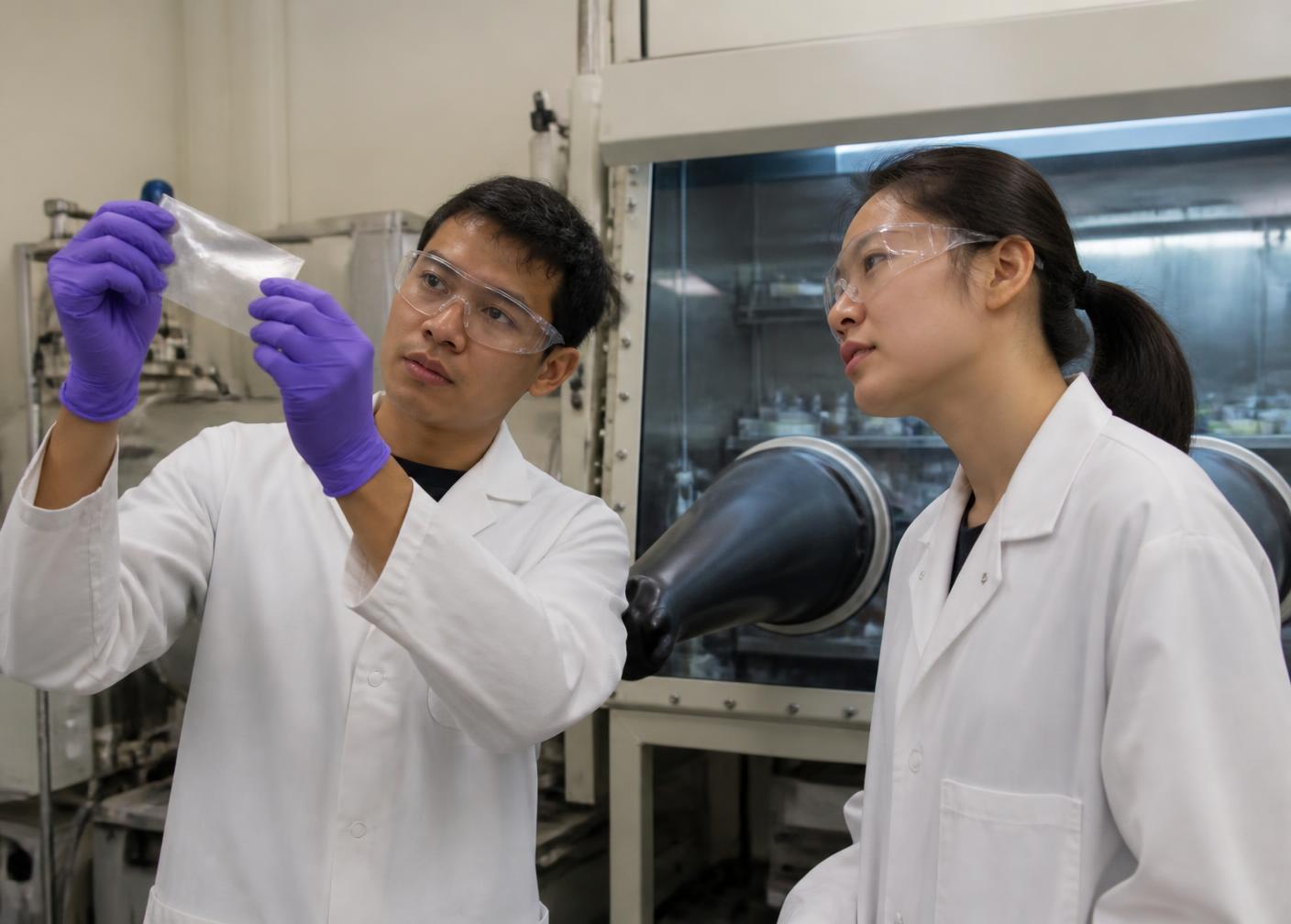
05
Potential anchor · Manchester
Where the next material is invented, tested and made.
Explore →
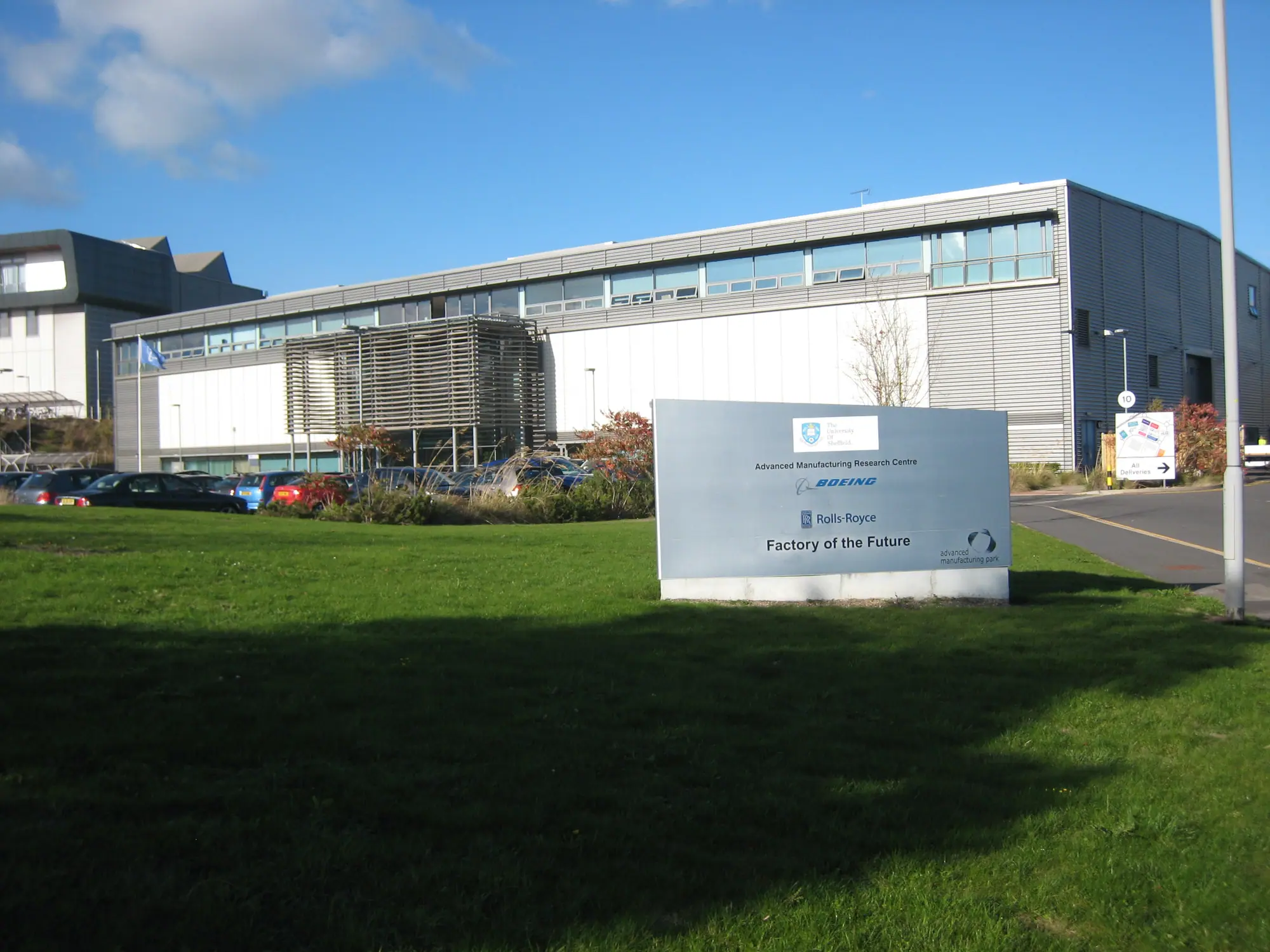
06
Existing strength · Coventry & Birmingham
Where Britain builds how the world moves.
Explore →
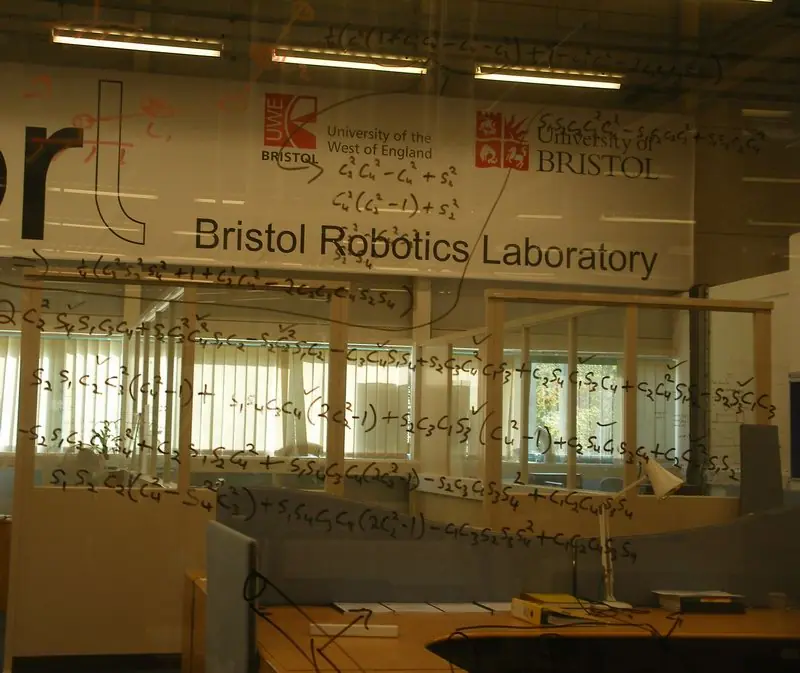
07
Potential anchor · Bristol & Bath
Where machines learn to work with humans.
Explore →

08
Potential anchor · Glasgow
Build what leaves Earth. Improve what happens on it.
Explore →
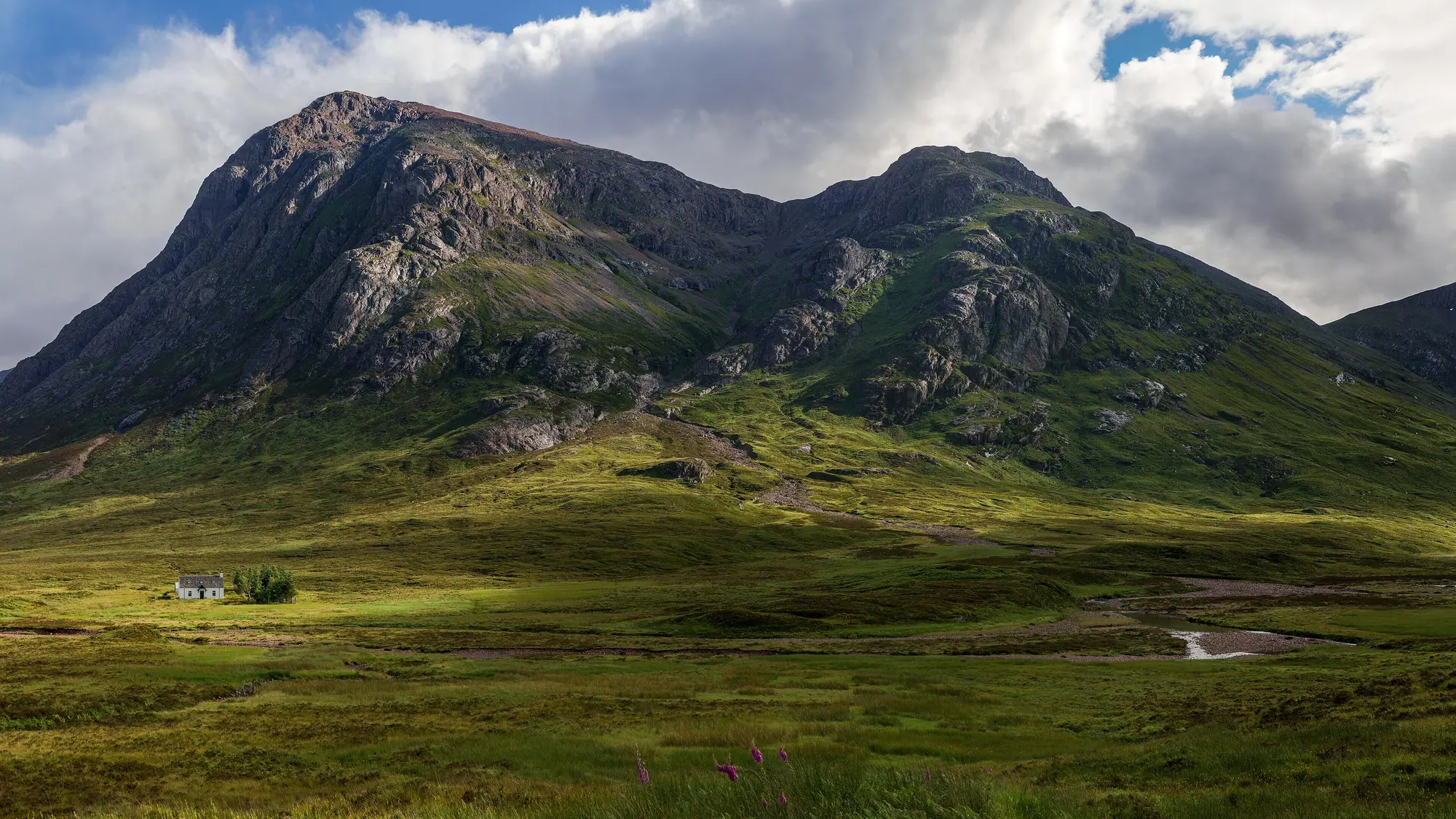
09
Existing strength · Teesside & Humber
Where the energy transition becomes an industry.
Explore →
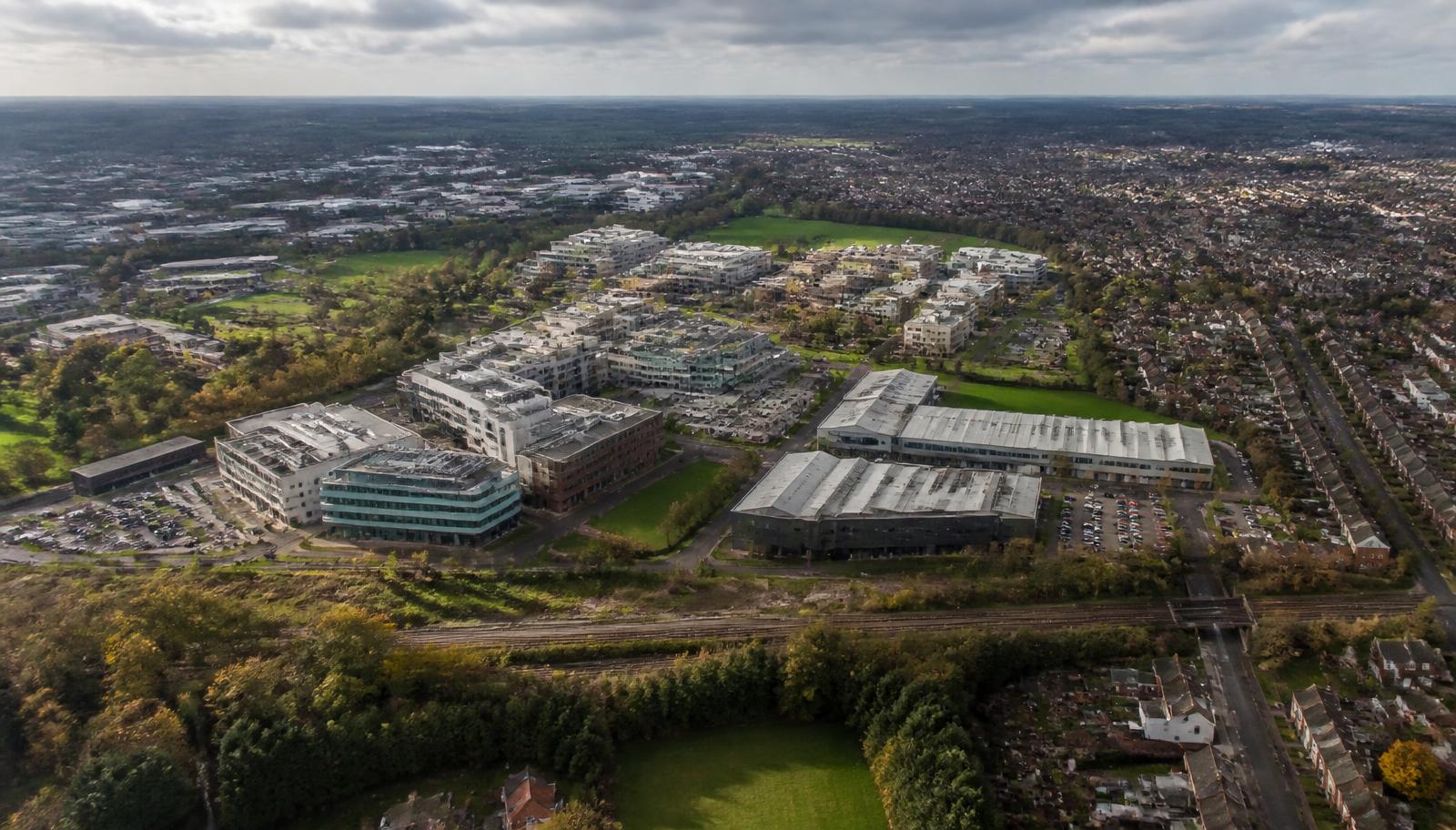
10
Existing strength · Southampton & Portsmouth
Where good technology reaches the people who need it in time.
Explore →
11
Existing strength · Norwich & the East
Where Britain feeds itself, and others, better.
Explore →
Something here wrong or missing? Challenge this.