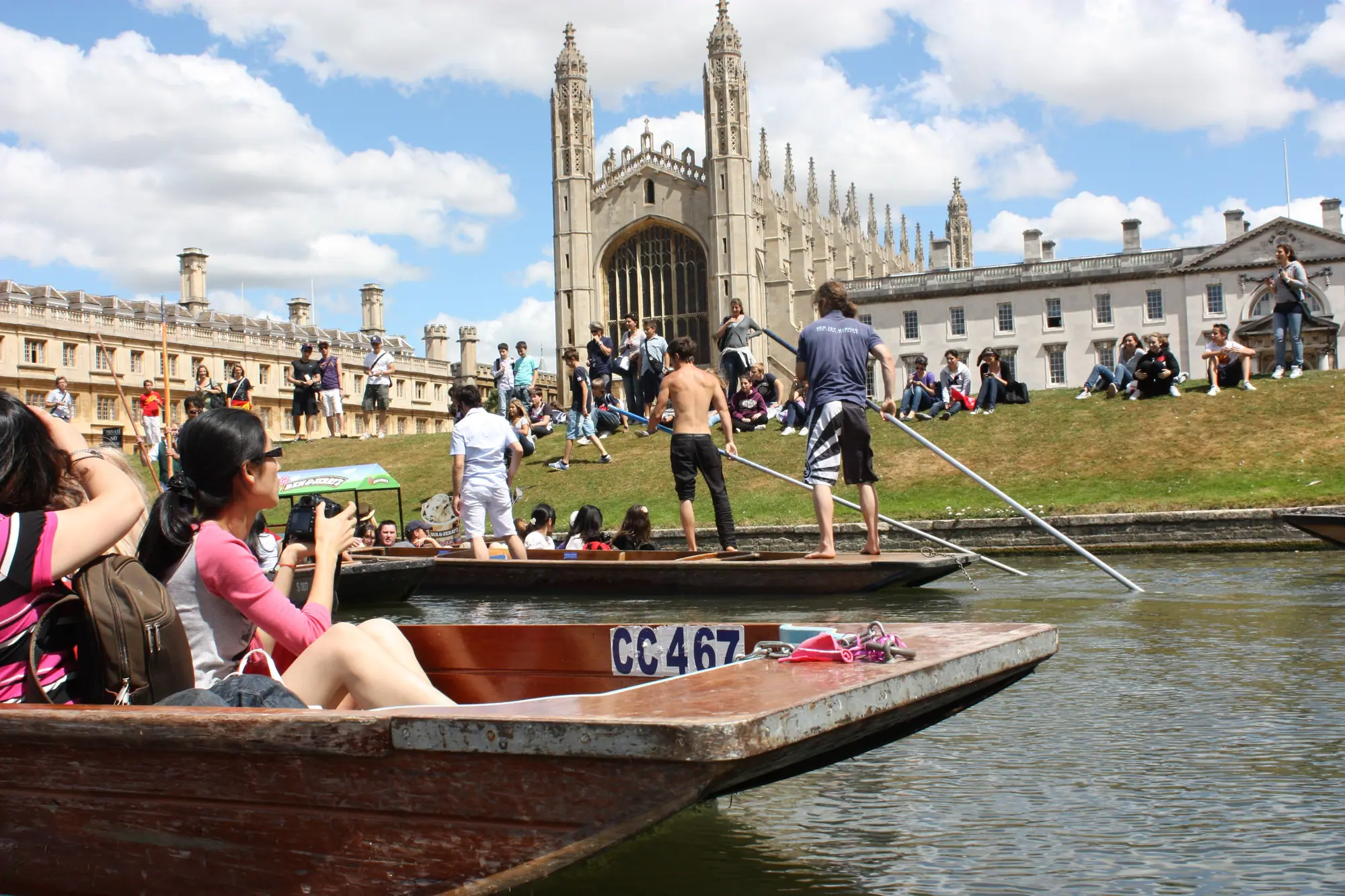
Neighbourhoods
Small, green and walkable — but genuinely expensive. The Zone only works if it builds homes as seriously as it builds laboratories.
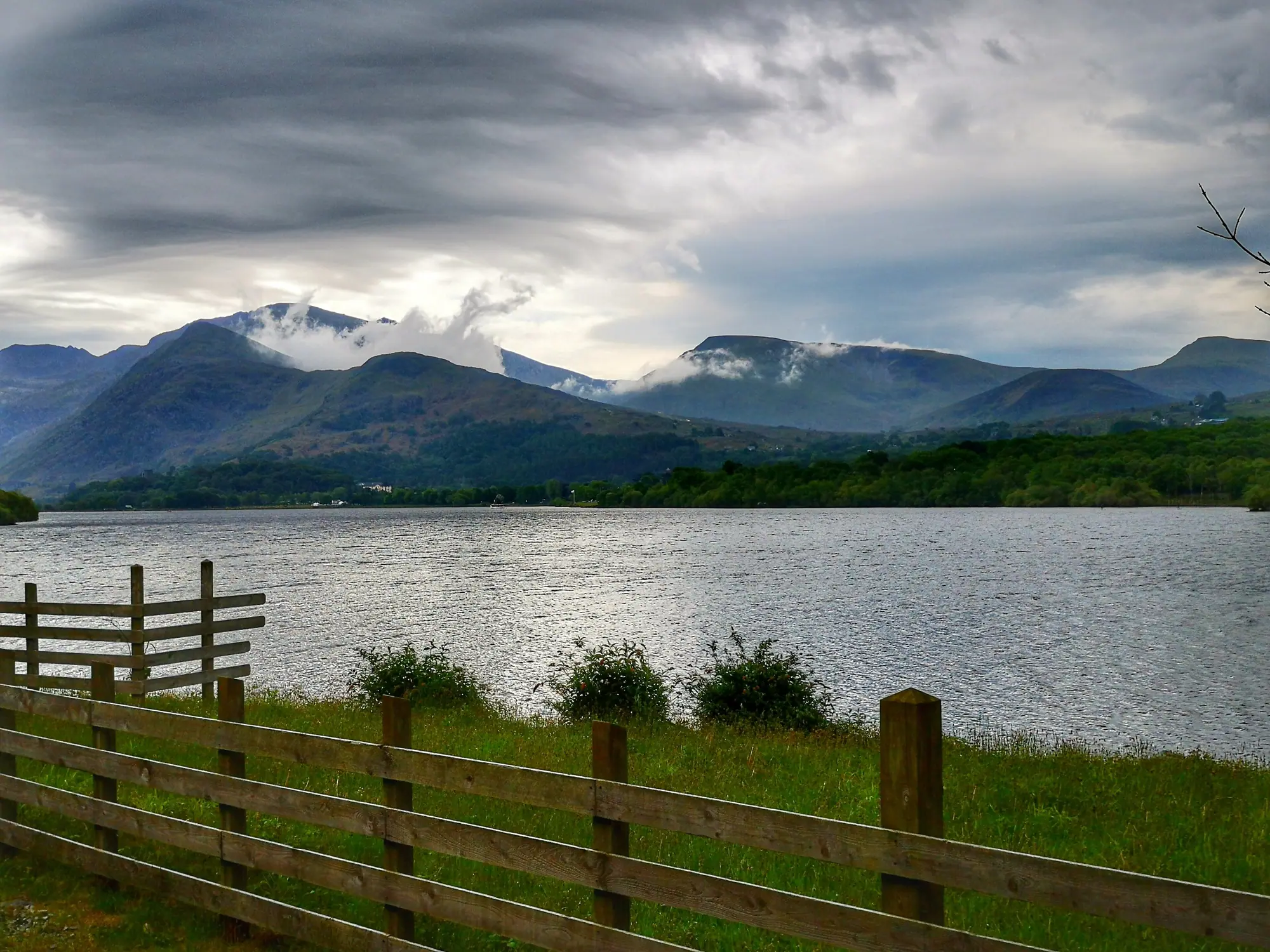
Ardfern / Wikimedia Commons · CC BY-SA 3.0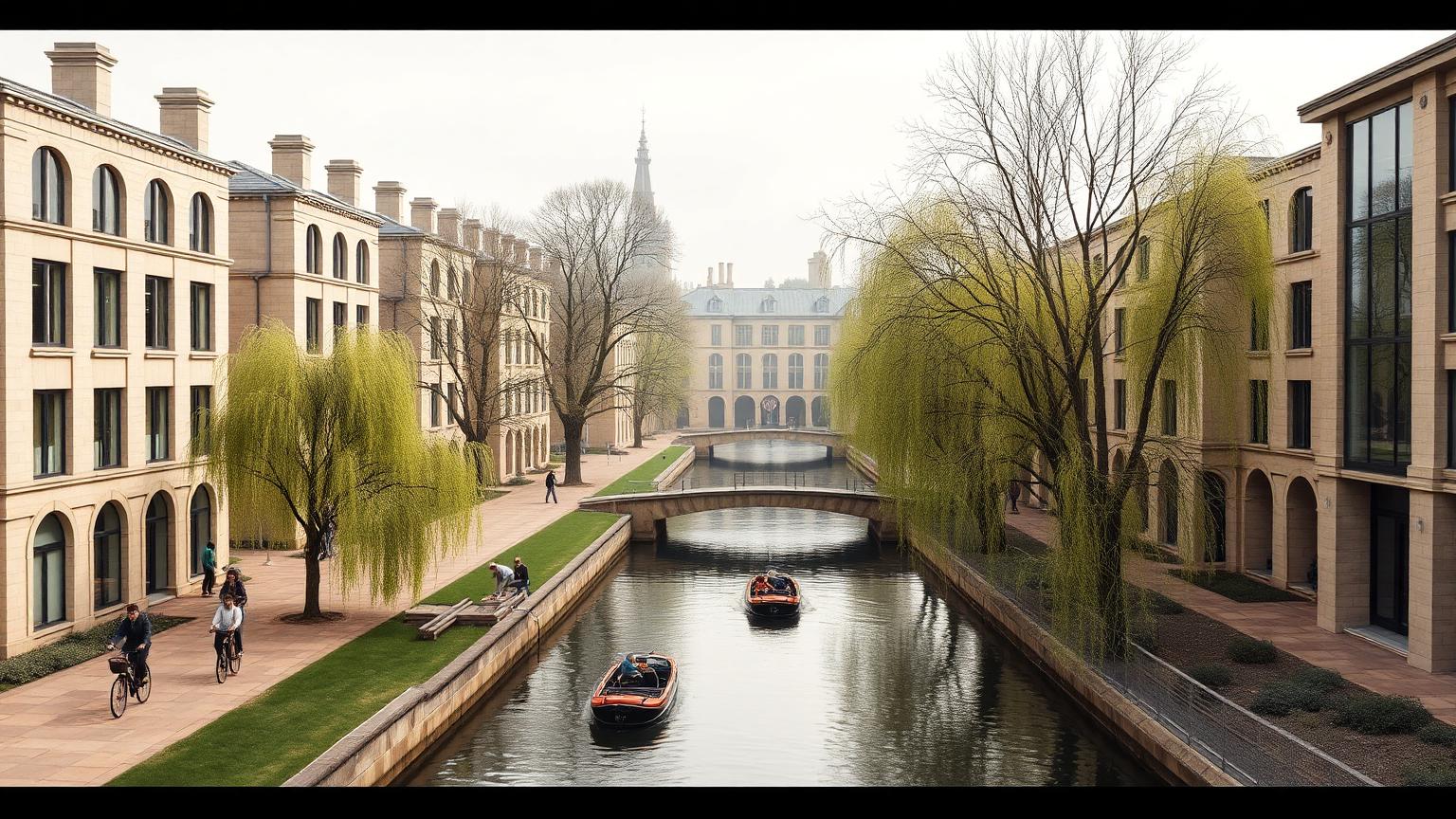
UK Innovation Zone 01
From discovery to treatment to global health.
Britain discovers at world level and commercialises below it. The mission is the route from discovery to manufactured product, clinical adoption, retained ownership and export.
An illustration of how a future UKIZ Zone could bring research, enterprise, homes, public life and nature together. Concept only — no site has been selected and no development is proposed.
The vision
Britain discovers medicine brilliantly and owns very little of what happens next. The science is world class; the manufacture, the trial infrastructure and the equity usually end up somewhere else.
The gap is not intellect or ambition. It is laboratory space a growing company can actually rent, biologics capacity within a country's reach, clinical partners who will move at the speed of a startup, and homes near enough that a postdoc can stay after the fellowship ends.
A Life Sciences & Health Zone would put discovery, translation, trial and manufacture along one walkable axis — pale stone and glass beside a chalk stream, with schools, homes and a Saturday worth staying for.
What exists
Verified organisations, research and infrastructure already in Britain.
What could exist
The UKIZ vision for the place these strengths could become.
What we need
The partners, land, capital and infrastructure required to close the gap.
Imagine this place
The Axis
The central pedestrian route connecting people, ideas and opportunity.
The Forum
The public heart: meetings, demonstrations, events, exhibitions, food and collaboration.
Research & innovation
Laboratories, university departments, specialist research and testing facilities.
Startups & scale-ups
Flexible space for companies to start, grow and stay within the ecosystem.
Industry
Established businesses, manufacturing, prototyping and commercialisation.
Capital
Where founders, investors and institutions naturally meet.
Education
Universities, apprenticeships, technical education and lifelong learning.
Homes
Housing for different ages, incomes and stages of life.
Public life
Restaurants, cafés, pubs, shops, culture, sport and entertainment.
Nature
Green corridors, water, biodiversity, running, walking and cycling.
Transport
Fast connections into the city, the region, the airport and the national UKIZ network.
Eleven Zones, not eleven identical campuses. Architecture and public realm answer to local materials, existing buildings, industrial heritage, landscape, climate and culture. What is shared is the Axis principle, the public realm philosophy, wayfinding, quality standards, connectivity and the operating model — never the buildings.
Applied to Life Sciences & Health Innovation, that means local materials and existing buildings first — never a transplanted business park.
Flat land, big sky, bicycles and a river with willows over it. Cambridge is a small city carrying an improbable share of the world's biology, and it has quietly run out of room to keep it.
Why here
Existing advantage
The gaps clustering could close
Geographic hypothesis: Distributed. Core capability concentrates around Cambridge, Oxford, London, Manchester, Leeds and Liverpool; complementary capability exists in most mapped ecosystems. No site has been selected.
What exists today
Verified organisations already working in this field inside the candidate ecosystems. Recorded in the UKIZ map with source and date — not a membership list or an endorsement.
Universities
University of Cambridge
Cambridge
Research institutes
Wellcome Sanger Institute
Cambridge
Research institutes
MRC Laboratory of Molecular Biology
Cambridge
Specialist facilities
Babraham Research Campus
Cambridge
Specialist facilities
Cambridge Science Park
Cambridge
Companies
Cambridge semiconductor and processor IP cluster
Cambridge
Universities
University of Oxford
Oxford
Specialist facilities
Harwell Science and Innovation Campus
Oxford
Specialist facilities
Diamond Light Source
Oxford
Universities
The University of Manchester
Manchester
Research institutes
Greater Manchester health innovation partnership
Manchester
Life around the Zone
Neighbourhoods
Small, green and walkable — but genuinely expensive. The Zone only works if it builds homes as seriously as it builds laboratories.
Ardfern / Wikimedia Commons · CC BY-SA 3.0Culture
College music, independent cinema, a museum quarter and an argument about punting technique.
Nature
Fen, chalk stream and the Norfolk coast — flat, wide and better than its reputation.
Getting out
London in under an hour, Stansted on the doorstep, the Midlands by the east-west rail corridor.
24 hours here
06:45
Row on the river, or cycle in along the busway with the mist still on the fen.
08:30
Overnight sequencing results. One cohort behaves nothing like the model predicted.
10:00
Walk five minutes to the translational unit; the clinical fellow has real patient data and hard questions.
12:30
Lunch in the Forum beside a manufacturing engineer who can tell you why your process will not scale.
14:30
Regulatory session — an assessor in the room rather than a letter in nine weeks.
16:30
Undergraduates in the teaching lab on the same instruments used this morning.
18:30
Pub by the river, then a college concert if you can still concentrate.
Saturday
The coast at Holkham in two hours; London in fifty minutes if you want noise.
Illustrative. A day in another Zone would read nothing like it — which is the point.
Proposed national innovation mission
Help build the future of British medicine.
Turn British discovery and NHS-scale clinical evidence into British medicines, devices and health companies
The people, companies, research and technologies shaping how Britain discovers, makes and delivers healthcare.
Proposed by UKIZ · independent · not a government designation
Learn
Understand the field.
Study
Courses, universities, apprenticeships and pathways.
Work
Companies, careers, skills and opportunities.
Build
Startups, programmes, facilities and support.
Research
Research organisations, collaboration and commercialisation.
Invest
Companies, investors and emerging opportunities.
Collaborate
Needs, offers, projects and challenges.
Meet
Events, gatherings and eventually Innovation Camps.
These are participation paths, not membership tiers. Joining the mission is how UKIZ knows which of them to put in front of you.
Follow
Email only. No account. Unsubscribe in one click.
Join the conversation
Meet and exchange ideas with people interested in this mission.
The official LinkedIn group for this mission is being set up. Join the mission and it will appear here when it opens.
Interest in this Zone
UKIZ is assembling the companies, universities, researchers, investors, public bodies and people who could make this Zone real.
Register my interestCurrent UKIZ intervention hypothesis
Research strength is not in question. The recurring reported constraints are scale capital between Series B and public markets, laboratory supply in the strongest corridors, and the translation of intellectual property into British-owned companies rather than early licensing abroad.
What could change our view?
Core capability means a particularly strong concentration relevant to this mission. Connected capability means other ecosystems contributing important complementary strength. UKIZ maps capability before allocating prestige: no place has been designated the home of any mission.
Core capability
Connected capability
What is a UK Innovation Zone?
A UK Innovation Zone is a mission-led ecosystem connecting the places, organisations, capital, infrastructure and people required to turn British capability into commercial outcomes.
A Zone may have a physical centre where evidence demonstrates that new infrastructure or concentration would create additional value. But the network comes first.
01 — THE MISSION
Britain discovers at world level and commercialises below it. The mission is the route from discovery to manufactured product, clinical adoption, retained ownership and export.
02 — WHY IT MATTERS
Comparable in function to Boston/Cambridge Massachusetts or Singapore's Biopolis, at British scale.
03 — WHERE THE CAPABILITY IS
Current geographic hypothesis: Distributed. Core capability concentrates around Cambridge, Oxford, London, Manchester, Leeds and Liverpool; complementary capability exists in most mapped ecosystems.. This is indicative geography — a record of where relevant capability is concentrated today, not a decision that this mission belongs to one place or that anything would be built there.
04 — EXISTING STRENGTHS
05 — ECOSYSTEM PARTICIPANTS
The types of organisation and individual already active in this capability. Listing a participant type is a description of the ecosystem, not membership, endorsement or a commitment by anyone named or implied.
06 — INDUSTRIES
07 — UNIVERSITIES & RESEARCH
08 — INFRASTRUCTURE — EXISTING AND POTENTIALLY MISSING
Listing infrastructure is not a proposal to build it. Physical intervention is only recommended where evidence demonstrates additionality.
09 — THE COMMERCIALISATION PATH
10 — POTENTIAL OUTCOMES TO TEST
These are hypotheses to be tested, not forecasts, targets or guarantees. Each would need to pass the additionality test — would it happen anyway, or happen elsewhere in Britain? — before it counts as a reason to intervene. UKIZ makes no projections it cannot evidence.
How additionality is tested →Missions are national communities, but the work happens somewhere. These destinations have a specific angle on this mission — what pursuing it there would mean, and what living there is like. They are not the only places in Britain doing this work.
Health research at city-region population scale, with a devolved partnership behind it.
Big-city ambition without London being the only answer.
Life sciences surrounded by genomics, clinical research and the investors who fund long timelines.
World-class science without living in a megacity.
Health data and medical technology in the same city as the institutions that use them.
Work on health data at population scale, in a city with the Dales behind it.
Infection, vaccines and biomanufacturing capability in one city region.
Work on infection and biomanufacturing in a port city that has never been quiet.
Ageing research and population health with regional clinical partners.
Electrify transport and the North Sea, from a city with a coastline and a conscience.
Biomedical research, hospitals and regulators concentrated in one city.
Everything is here, at a price — capital, regulators, customers and the rest of the world by lunchtime.
Vaccine and therapeutics research with a record of getting products into use.
Use national scientific infrastructure most countries cannot afford, then walk home through a meadow.
If this mission is your world — as a founder, researcher, operator, investor or institution — tell us what you could contribute and what you need.
Personalise UKIZ
Follow Life Sciences & Health Innovation and we'll find companies, opportunities, events and people relevant to you.
Make Britain a place where engineered biology is manufactured, not only invented
Convert two decades of national quantum research investment into British companies and customers
Hold and extend the parts of the semiconductor and photonics value chain where Britain is genuinely competitive
What we need
None of this is secured. Each line is an open invitation rather than an announcement.
The network
A life sciences company needs AI, materials and biomanufacturing. A space company needs semiconductors, robotics and energy. Eleven Zones only make sense if they can call on one another — which is why UKIZ is a national network rather than eleven separate developments.
What we need
Zones are not announced into existence. They are built by governments, universities, companies, investors, developers, operators and the people who would live there.
Build Life Sciences & Health Innovation with us →Explore another Zone
01
Existing strength · Cambridge
From discovery to treatment to global health.
Explore →

02
Existing strength · Cambridge
Where biology becomes something Britain makes.
Explore →

03
Existing strength · Bristol & Bath
Where the strange becomes useful.
Explore →

04
Existing strength · Cardiff & South Wales
Where light and silicon carry the country.
Explore →
05
Potential anchor · Manchester
Where the next material is invented, tested and made.
Explore →
06
Existing strength · Coventry & Birmingham
Where Britain builds how the world moves.
Explore →
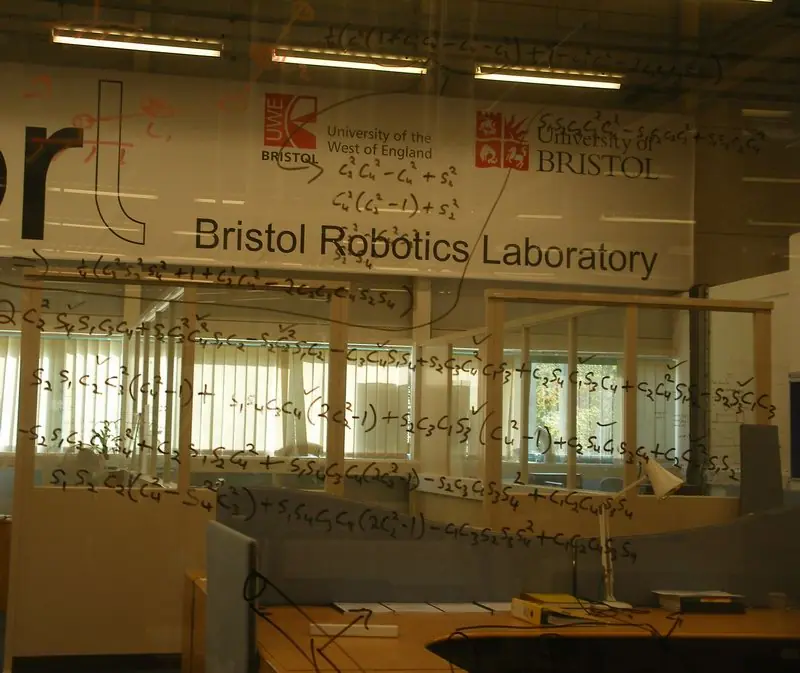
07
Potential anchor · Bristol & Bath
Where machines learn to work with humans.
Explore →
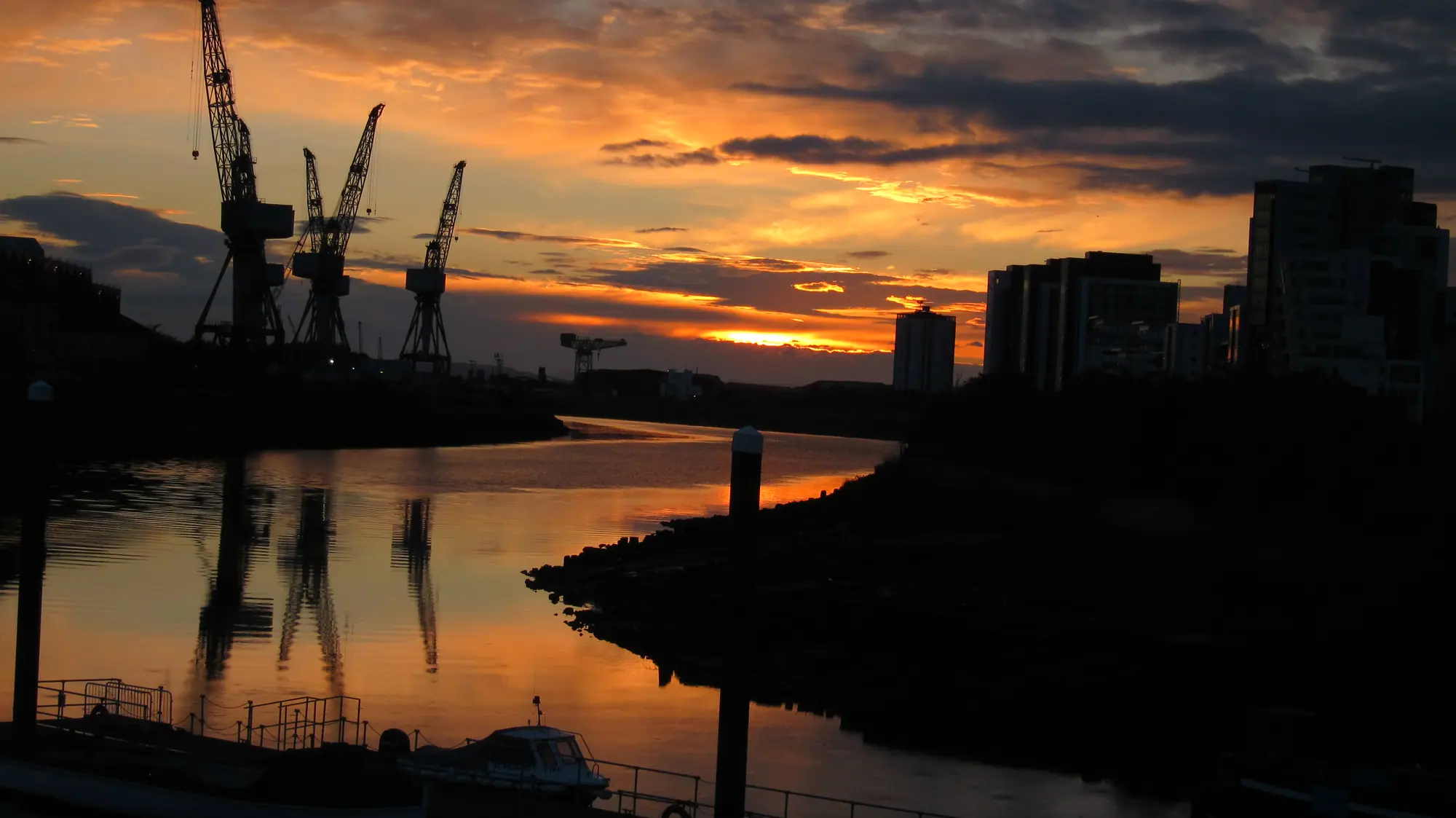
08
Potential anchor · Glasgow
Build what leaves Earth. Improve what happens on it.
Explore →
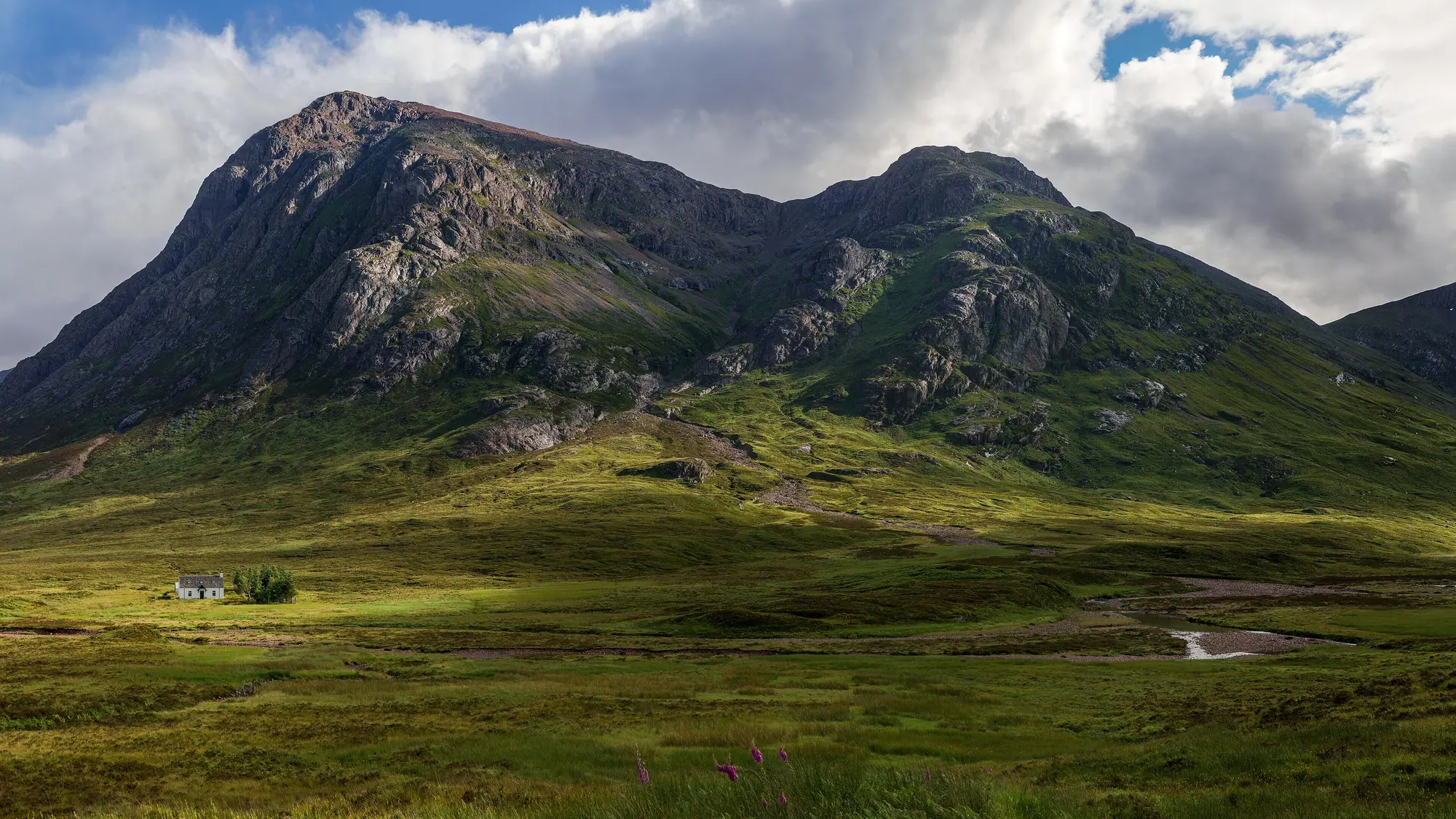
09
Existing strength · Teesside & Humber
Where the energy transition becomes an industry.
Explore →
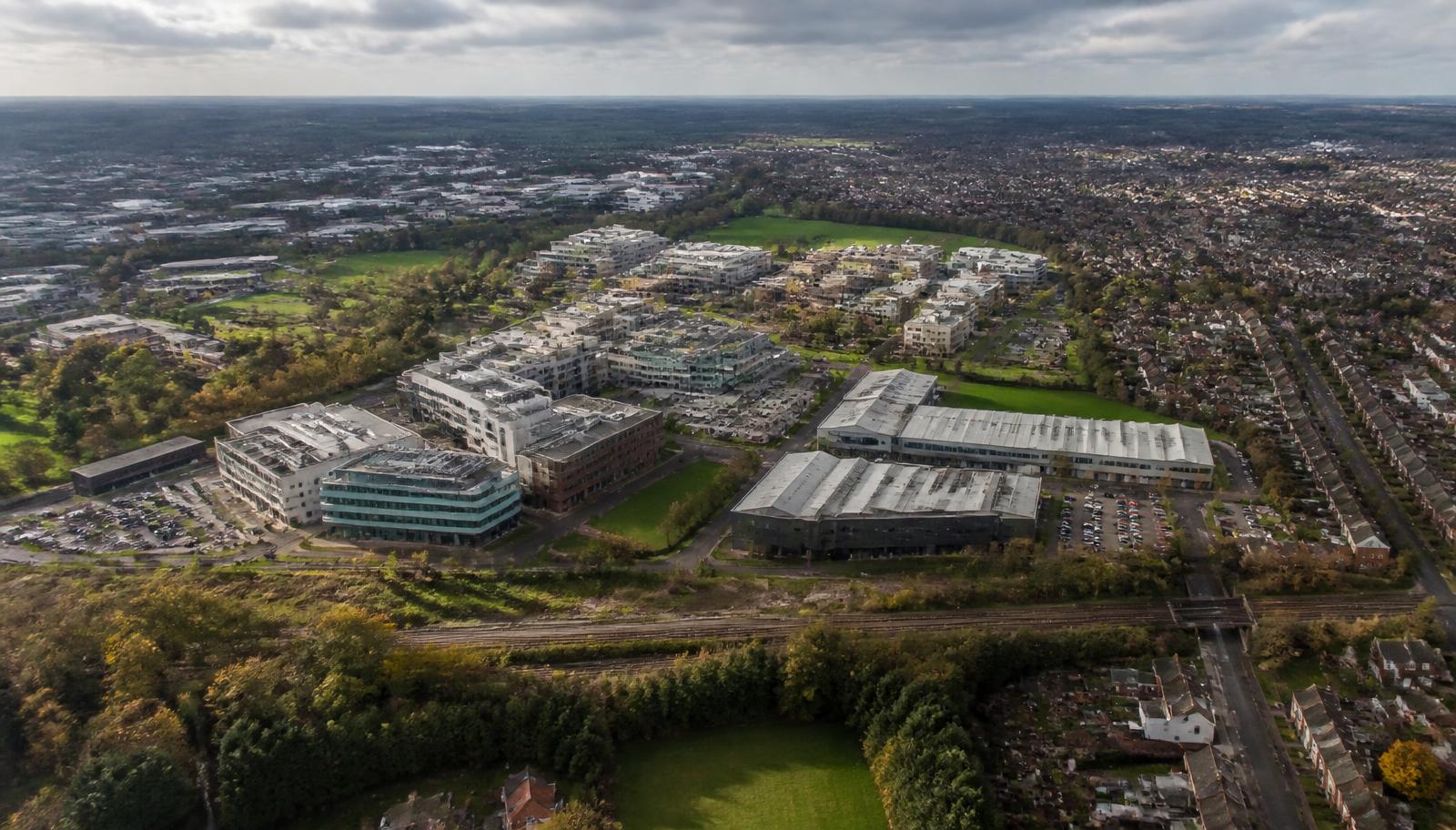
10
Existing strength · Southampton & Portsmouth
Where good technology reaches the people who need it in time.
Explore →
11
Existing strength · Norwich & the East
Where Britain feeds itself, and others, better.
Explore →
Something here wrong or missing? Challenge this.