
Neighbourhoods
Bedminster, Easton, Bishopston — walkable, independent and stubbornly local.
Nick / Wikimedia Commons · CC BY 2.0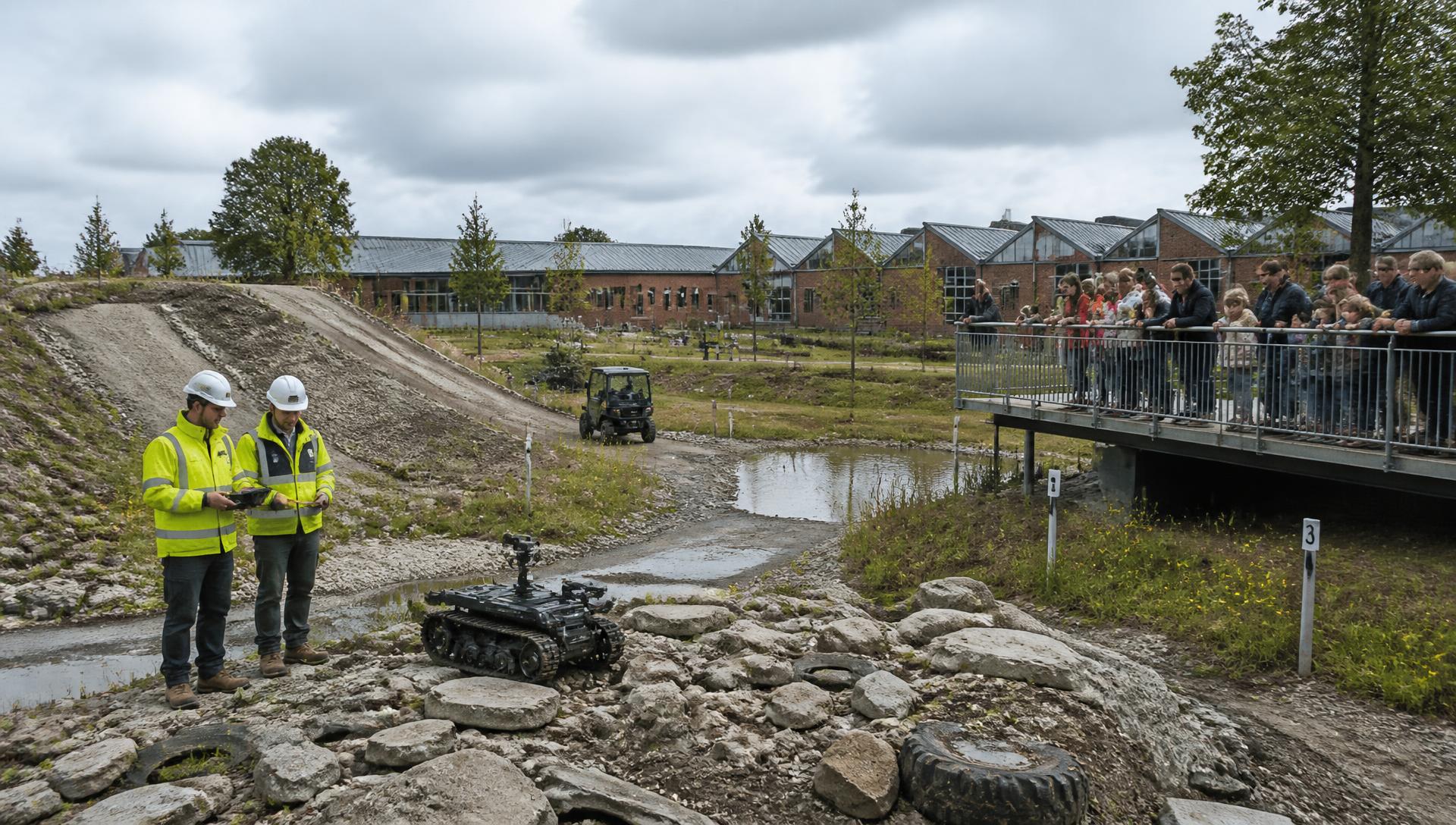
UK Innovation Zone 07
Where machines learn to work with humans.
Britain has strong robotics and autonomy research and comparatively few deployed systems. The mission is customers, testbeds and certification, not more demonstrations.
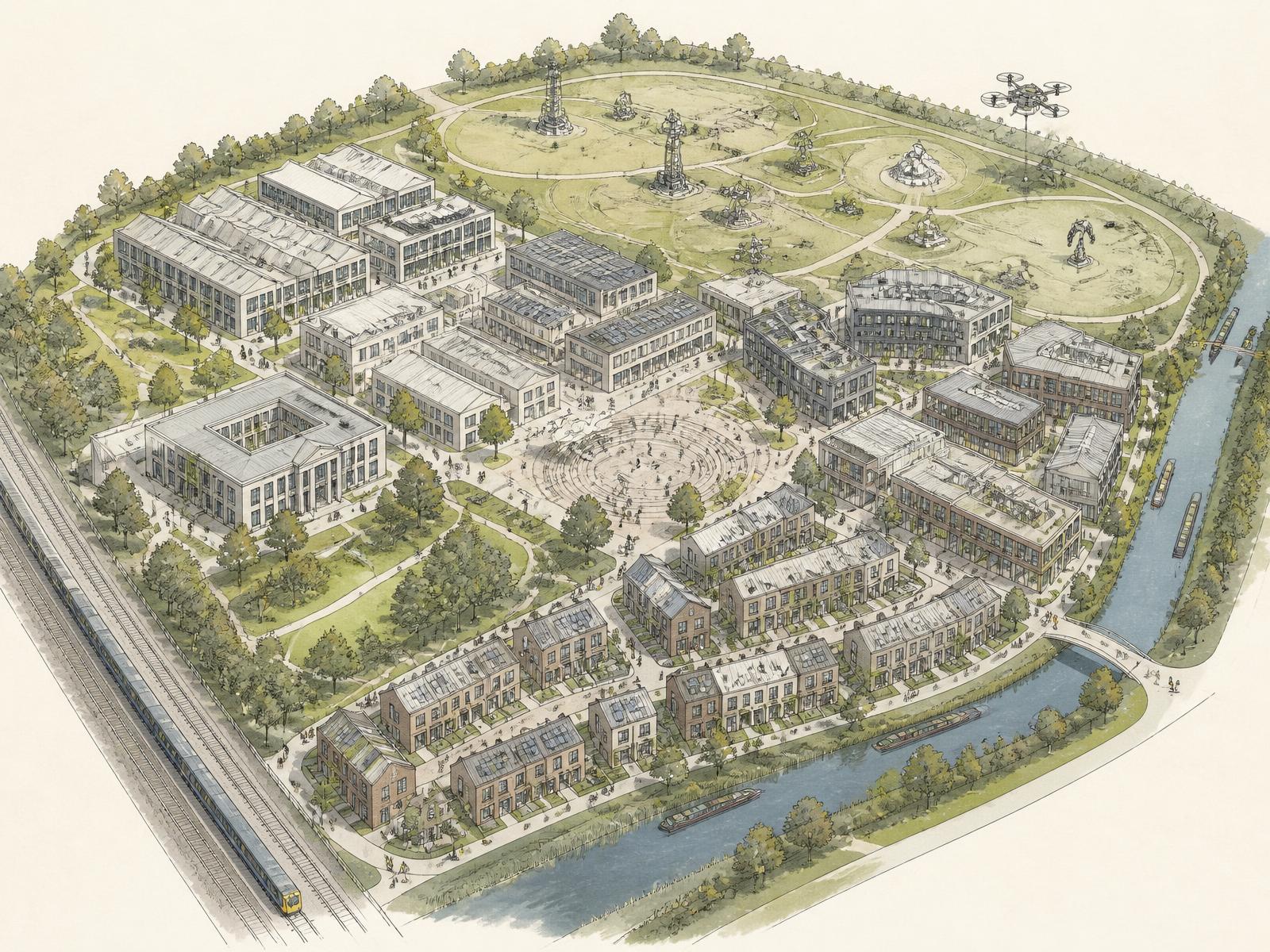
An illustration of how a future UKIZ Zone could bring research, enterprise, homes, public life and nature together. Concept only — no site has been selected and no development is proposed.
The vision
Robotics fails in the gap between a demonstration and a shift. A machine that works in a laboratory is not a machine that works wet, cold, dusty, at three in the morning, with a person standing beside it.
Closing that gap needs prototyping and machining within a walk, an instrumented outdoor proving ground with regulators present on purpose, and first customers willing to host failure rather than ask for a pilot report.
A Robotics & Autonomy Zone would put research, workshops, test halls and a real outdoor ground on one axis — with homes close enough that the people who fix things at midnight are not commuting an hour to do it.
What exists
Verified organisations, research and infrastructure already in Britain.
What could exist
The UKIZ vision for the place these strengths could become.
What we need
The partners, land, capital and infrastructure required to close the gap.
Imagine this place
The Axis
The central pedestrian route connecting people, ideas and opportunity.
The Forum
The public heart: meetings, demonstrations, events, exhibitions, food and collaboration.
Research & innovation
Laboratories, university departments, specialist research and testing facilities.
Startups & scale-ups
Flexible space for companies to start, grow and stay within the ecosystem.
Industry
Established businesses, manufacturing, prototyping and commercialisation.
Capital
Where founders, investors and institutions naturally meet.
Education
Universities, apprenticeships, technical education and lifelong learning.
Homes
Housing for different ages, incomes and stages of life.
Public life
Restaurants, cafés, pubs, shops, culture, sport and entertainment.
Nature
Green corridors, water, biodiversity, running, walking and cycling.
Transport
Fast connections into the city, the region, the airport and the national UKIZ network.
Eleven Zones, not eleven identical campuses. Architecture and public realm answer to local materials, existing buildings, industrial heritage, landscape, climate and culture. What is shared is the Axis principle, the public realm philosophy, wayfinding, quality standards, connectivity and the operating model — never the buildings.
Applied to Robotics & Autonomous Systems, that means local materials and existing buildings first — never a transplanted business park.
Harbour, hills, sea air an hour west and a research culture that has always preferred building the thing to describing it. The West of England tests outdoors because it can.
Why here
Existing advantage
The gaps clustering could close
Geographic hypothesis: Distributed. Core capability concentrates around Bristol, Edinburgh, the Solent and Plymouth, with complementary strength in Sheffield, Manchester and the North East. No site has been selected.
What exists today
Verified organisations already working in this field inside the candidate ecosystems. Recorded in the UKIZ map with source and date — not a membership list or an endorsement.
Universities
University of Bristol
Bristol & Bath
Universities
University of the West of England
Bristol & Bath
Research institutes
Bristol Robotics Laboratory
Bristol & Bath
Catapult centres
National Composites Centre
Bristol & Bath
Companies
Bristol semiconductor and processor design cluster
Bristol & Bath
Universities
University of Edinburgh
Edinburgh
Universities
Heriot-Watt University
Edinburgh
Specialist facilities
National Robotarium
Edinburgh
Universities
The University of Manchester
Manchester
Universities
Manchester Metropolitan University
Manchester
Research institutes
Greater Manchester health innovation partnership
Manchester
Catapult centres
Advanced manufacturing Catapult capability, North West
Manchester
Life around the Zone
Neighbourhoods
Bedminster, Easton, Bishopston — walkable, independent and stubbornly local.
Nick / Wikimedia Commons · CC BY 2.0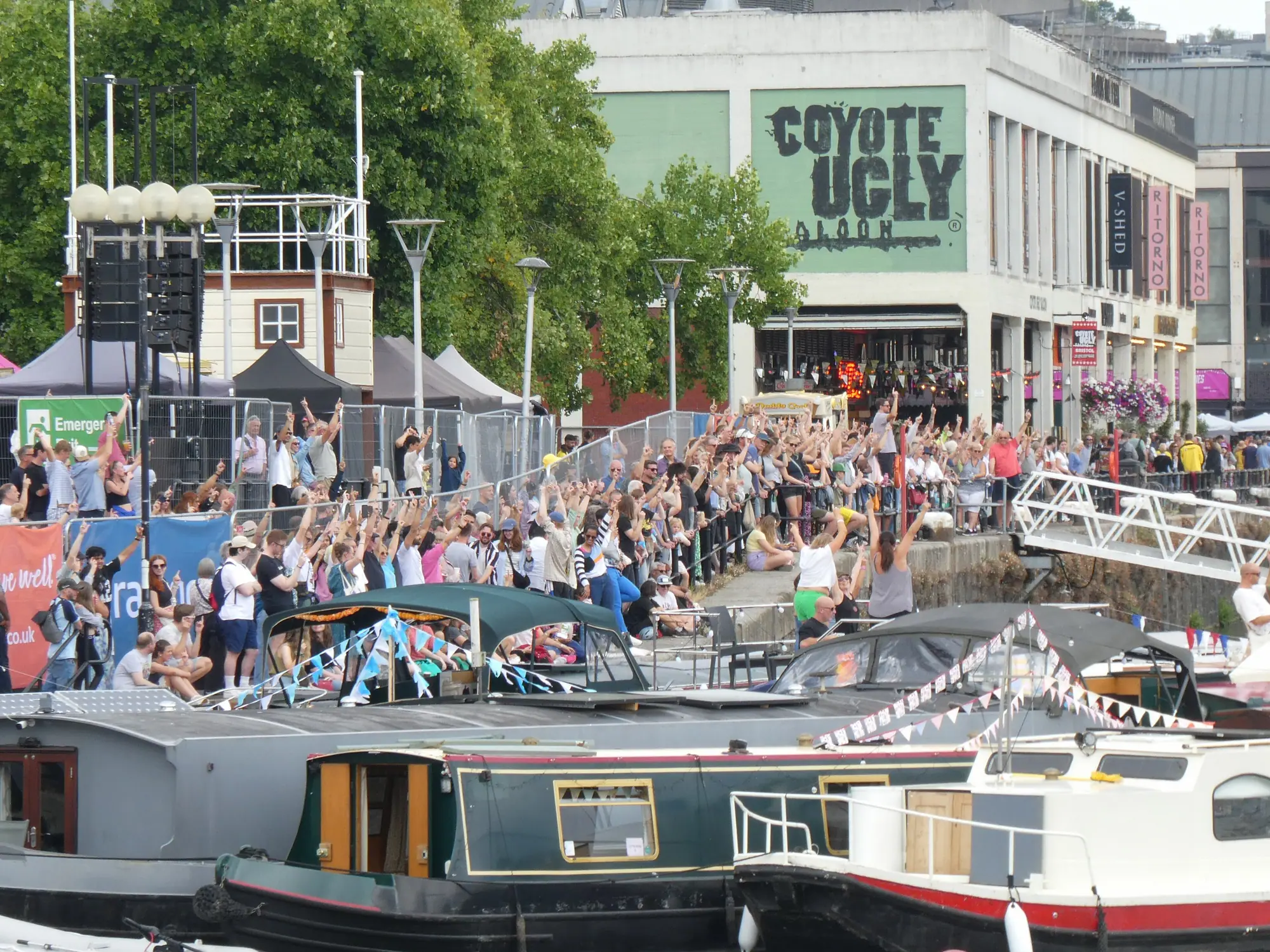
Culture
A city that treats making, music and mischief as the same instinct.
Gareth James / Wikimedia Commons · CC BY-SA 2.0
Nature
Gorge, Mendips, Wye Valley and the north Devon coast at weekend range.
Tadeusz Hare / Wikimedia Commons · CC BY-SA 4.0Getting out
London in ninety minutes, Wales over the bridge, an airport twenty minutes away.
24 hours here
07:15
Run the harbour, or up to the downs if the legs allow.
09:00
Overnight endurance run failed at hour six. The log says gearbox; the noise says something else.
11:00
Machine shop across the yard turns a replacement part before lunch.
13:00
Lunch in the Forum with a care provider who wants to know what happens when the machine is wrong.
14:30
Outdoor ground: mud, rain, a safety case and an assessor watching the whole thing.
16:30
Apprentices on the same rigs, learning failure as a subject rather than an embarrassment.
18:30
Wapping Wharf for food, harbourside walk home.
Saturday
Surf at Woolacombe, climb at Cheddar, or nothing at all in a park.
Illustrative. A day in another Zone would read nothing like it — which is the point.
British laboratories produce world-class autonomy, manipulation, perception and control research. Much of it is deployed somewhere else, by someone else, using someone else's factory.
The reason is rarely the science. It is the distance between a laboratory and a machine shop, between a prototype and a place to test it legally at scale, between a good demo and a first customer who will let you fail on their site.
A Robotics & Autonomous Systems Zone would put those things inside walking distance of one another — and put homes, schools and a decent Saturday around them, because engineers are people.
This is a concept, written to be specific rather than impressive. A day in a Life Sciences Zone would read nothing like it.
Walk through the park to the campus. The testing landscape is quiet; something small and tracked is mapping the gravel.
Stand-up in the robotics lab. Overnight runs failed twice on wet surfaces — good, that is what the outdoor rig is for.
Cross the yard to the machine shop. A part you drew yesterday is being cut this morning.
Lunch with a founder who needs a manipulator arm characterised and can't afford a rig of her own. She can use ours.
Two hours on the mixed-terrain proving ground with a safety engineer and a regulator watching, on purpose.
A logistics operator brings a real problem from a real warehouse. Nobody presents slides.
A visiting researcher from Tokyo talks for forty minutes in the forum. Students at the front.
Dinner beside the water with people who understood your day without you explaining it.
Ten minutes home on foot. Your partner's job is in the city, twenty minutes by train.
Conceptual districts only. Adapted for robotics: this Zone needs somewhere to test things outdoors, at scale, safely — which most innovation districts cannot offer.
Discover
The Testing Landscape
A publicly visible, instrumented proving ground: gradients, gravel, water, rubble, glasshouse, urban street section and a covered all-weather hall — ringed by a raised public walk so people can watch machines being taught.
A world-class engineer is still a person. Their partner matters. Their children matter. Their Saturdays matter.
Home
Family
Every day
Weekends
Getting about
If your partner cannot find work and your children cannot find a school, nothing else on this page matters. A Zone that fails that test is a business park.
No location has been selected for this Zone, so UKIZ will not invent salaries, rents or commuting times for it. What we can show today is what robotics and autonomy pay across Britain now, and what living in Britain's innovation destinations actually costs. When candidate locations emerge, this section becomes specific.
Everything above this line is a concept. Everything below it is verified, sourced and dated.
UK Robotics & Autonomous Systems Mission
Discover the people, companies, research and technologies shaping British robotics, then find your place in what comes next.
Counts are organisations in the UKIZ canonical record tagged with robotics capability. The record is incomplete and growing; it is not a claim about the size of the sector.
Warehouse automation
Thousands of robots pack British groceries in near silence.
Ocado's fulfilment centres run grids of robots that swarm over stacked crates, and AI-driven robotic arms now pick individual items — a task machines were long considered bad at.
Hatfield, Luton, Erith and beyond
Nuclear and hazardous environments
A robot dog reactivated a crane humans were not allowed to touch.
At Dounreay, safety rules prohibited people from operating an ageing switchboard. A quadruped robot did it instead, and decommissioning work resumed.
Dounreay, Caithness
Fusion energy
A robot inspected the inside of a fusion machine on its own.
UKAEA and the Oxford Robotics Institute ran a 35-day trial inside the JET torus hall — described as the first fully autonomous robot deployment in a fusion facility.
Culham, Oxfordshire
Health physics
Robots now take radiation swabs that people used to take by hand.
Sellafield's health physics team carries out hundreds of surface swabs a day. A patent-pending swabbing tool mounted on a quadruped completed its first trial in an area containing radioactive material.
Sellafield, Cumbria
Autonomous vehicles
British self-driving software learns to drive rather than following a map.
Wayve's approach trains an end-to-end driving model on real driving, tested on London's streets — some of the most complex urban driving conditions anywhere.
London
Industrial autonomy
Autonomy is being fitted to vehicles that never leave a site.
Oxa, spun out of the Oxford Robotics Institute, retrofits autonomy to shuttles, airside vehicles and industrial fleets operating in controlled environments.
Oxford
Healthcare robotics
A British surgical robot operates in hospitals around the world.
CMR Surgical's Versius system was designed in Cambridge for keyhole surgery and is now used internationally.
Cambridge
Assistive robotics
Bristol makes bionic hands that children actually want to wear.
Open Bionics builds 3D-printed multi-grip prosthetic arms, including covers designed with film and games studios — a deliberate rejection of medical-beige design.
Bristol
Marine and offshore autonomy
Uncrewed vessels inspect Britain's offshore infrastructure.
Subsea and surface autonomy developed in Edinburgh, Bristol and Southampton is used to survey and inspect offshore energy assets and the ocean itself.
Edinburgh, Bristol, Southampton
Agricultural robotics
Robots are being taught to pick soft fruit without bruising it.
British agri-robotics groups work on selective harvesting, crop monitoring and autonomous field vehicles — hard problems, because plants refuse to be identical.
Lincoln, Cambridge, Kent
AI research
One of the deepest concentrations of machine learning research outside the United States.
Engineering
Control, systems and safety engineering traditions built over a century.
Universities
Robotics groups in Bristol, Edinburgh, Oxford, Imperial, UCL, Sheffield, Lincoln, Manchester and more.
Advanced manufacturing
Research centres that will build and test a prototype at industrial scale.
Aerospace
Certification culture — the discipline of proving a system is safe.
Automotive
Vehicle platforms, supply chains and volume manufacturing knowledge.
Defence
Demanding customers with genuine autonomy requirements.
Offshore energy
Wind, subsea and nuclear environments that are dangerous for people and ideal for machines.
Healthcare
A single national health system: hard to sell into, unmatched once adopted.
Capital
Deep-tech investors that understand long hardware timelines.
IP protection
A patent and legal system international founders can rely on.
International talent
Robotics is built by people from everywhere. Britain admits them.
Industrial customers
Ports, farms, factories, hospitals, reactors, railways and warehouses — all within a few hours' drive.
The interesting part isn't any one of these. It's what becomes possible when they connect.
AI researchOffshore energyCertification
→ Autonomous inspection of assets nobody wants to send a person to.
Nuclear estateRobotics researchGovernment customer
→ Remote handling in environments where the alternative is human exposure.
University spinoutAdvanced manufacturingNHS
→ Surgical and assistive robotics designed, made and clinically evidenced here.
Machine learningComplex city drivingAutomotive supply chain
→ Self-driving software trained where driving is hardest.
AgricultureComputer visionSeasonal labour shortage
→ Field robotics with an unavoidable commercial reason to exist.
Robotics does not belong to one British city. Research strength, industrial customers, test environments and manufacturing sit in different places — which is precisely why connecting them matters.
Core capability
Bristol & BathSouth West
Core capability
EdinburghScotland
Core capability
CambridgeEast of England
Core capability
OxfordSouth East
Core capability
Sheffield & RotherhamYorkshire and the Humber
Core capability
Southampton & PortsmouthSouth East
Core capability
LondonGreater London
Core capability
Newcastle & the North EastNorth East
Core capability
Glasgow & the Central BeltScotland
Core capability
Cornwall & PlymouthSouth West
National backbone this mission draws on
Backbone capabilities are national. They are available to robotics wherever a company, lab or person happens to be.
Curated, sourced and deliberately short. Every item links to the organisation that published it. UKIZ reports nothing it cannot point at.
A patent-pending swabbing tool mounted on a walking robot completed its first trial in an area containing radioactive material, a task the health physics team performs hundreds of times a day.
Robotic arms now pick individual items alongside the crate-moving robot grid, applying two decades of automation experience to one of logistics' hardest problems.
Safety restrictions had left a crucial crane out of service at Dounreay since 2023. A quadruped operated the switchboard instead, and waste shipment resumed.
UKAEA and the Oxford Robotics Institute ran a 35-day autonomous inspection trial in the JET torus hall — a step toward maintaining fusion plants without sending people inside.
Britain sent an autonomous robot inside a fusion reactor hall.
A 35-day autonomous inspection trial at JET, run with the Oxford Robotics Institute.
Culham
A British grocery company sells its robot warehouses to American supermarkets.
Ocado's technology runs fulfilment for retailers across North America, Europe, Japan and Australia.
Hatfield
Britain built a national centre purely for robotics and AI.
The National Robotarium in Edinburgh exists to move robotics research into industry, not to keep it in the lab.
Edinburgh
One of Europe's largest robotics labs is a joint venture between two universities.
Bristol Robotics Laboratory is run jointly by the University of Bristol and UWE Bristol.
Bristol
Some British bionic arms are designed to look like they came from a film.
Open Bionics makes licensed covers so a prosthetic can be something a child shows off rather than hides.
Bristol
Fusion engineers and nuclear decommissioning teams share a robotics lab.
RAICo brings UKAEA, the NDA, Sellafield, AWE and the University of Manchester into one robotics collaboration in Cumbria.
Whitehaven, Cumbria
Established leader
Robotic grocery fulfilment systems, sold worldwide.
The clearest proof that Britain can build robotics at global commercial scale — and that the customer can be something as ordinary as a food shop.
Hatfield, Hertfordshire
Scale-up
End-to-end machine learning for autonomous driving.
A distinctly British bet: teach the car to drive from experience rather than hand-coding rules, and train it where driving is hardest.
London
Spinout
Autonomy software retrofitted to industrial and shuttle vehicles.
An Oxford Robotics Institute spinout that went after controlled environments — airports, sites, depots — rather than public roads first.
Oxford
Established leader
The Versius surgical robotic system.
British medical robotics that reached hospitals internationally — the hardest possible regulatory route, completed.
Cambridge
Scale-up
3D-printed multi-grip bionic arms.
Robotics designed around how somebody wants to feel, not only what a limb must do. It changes who finds the field appealing.
Bristol
Established specialist
Autonomy software for underwater and maritime vehicles.
Edinburgh-built software behind subsea autonomy used in defence and offshore energy — a British strength most people never see.
Edinburgh
Scale-up
Subsea robotics and 3D computer vision for offshore inspection.
Offshore wind created a British inspection problem at scale, and a Bristol company built the robotics answer to it.
Bristol
Startup / scale-up
Laboratory automation robotics.
Robotics pointed at scientific throughput — machines that make other British science faster.
London
Startup
Autonomous soft-fruit harvesting robots.
Picking a strawberry without crushing it is a genuinely unsolved robotics problem with an urgent commercial reason to solve it.
Cambridge
Regional startup
Robotic packing systems with electronic skin sensing.
A North East company working on touch — the sense robots are worst at — for food packing lines.
Sedgefield, County Durham
Research laboratory
Joint robotics lab of the University of Bristol and UWE Bristol.
One of Europe's largest robotics labs, with startup incubation attached rather than bolted on afterwards.
Bristol
National facility
National centre for robotics and artificial intelligence.
Purpose-built to shorten the distance between robotics research and industrial use.
Edinburgh
Research centre
University of Edinburgh and Heriot-Watt joint centre, including doctoral training.
Where much of Britain's subsea, interaction and field autonomy research is trained and produced.
Edinburgh
Research institute
Mobile autonomy, legged robots and field robotics research.
Its work produced both commercial autonomy (Oxa) and the first autonomous robot deployment inside a fusion facility.
Oxford
Collaboration
UKAEA, the NDA, Sellafield, AWE and the University of Manchester working together.
Britain's nuclear estate is a robotics problem of national scale, and this is where it is being worked on.
Whitehaven, Cumbria
Catapult centre
Industrial research centre with large-scale robotics and automation capability.
Where a robotics idea gets tested against the realities of manufacturing rather than a lab bench.
Sheffield & Rotherham
Research organisation
Operates one of the largest fleets of marine autonomous vehicles in the world.
British ocean autonomy is a genuine world position and almost nobody outside the sector knows it exists.
Southampton
Research institute
Agricultural robotics and autonomous field systems research.
Farming gives robotics an unforgiving test environment and a customer who counts in pennies per plant.
Lincoln
UKIZ will not publish a profile of anybody — founder, engineer, researcher, student, technician or investor — without their permission. Robotics is not built only by famous founders, and this section will show that once real people have agreed to appear in it.
Join the mission and choose a public profile if you would like to be part of it.
Universities, research groups and the official student visa guidance.
Companies, entry routes and the skills British robotics is short of.
Company formation, SEIS/EIS, founder visas and the founding checklist.
Where robotics capability sits, and who already backs it.
Follow the mission first. Decide about Britain later.
Robotics and autonomous systems cover the machines that sense, decide and act in the physical world: industrial and collaborative robots, mobile robots in warehouses and fields, subsea and nuclear systems, autonomous vehicles, drones, surgical robotics and the perception, control and safety software underneath all of them.
Britain's position is research-strong and deployment-light. University groups publish at the highest level, a genuine supplier base exists in automation and integration, and sectors with hard problems — logistics, agriculture, subsea, nuclear decommissioning, construction, defence — sit alongside it. What is thin is the connective tissue: shared testing capacity, patient hardware capital, and manufacture at the point where a prototype becomes a product.
The sections below set out what UKIZ currently holds on British robotics capability: companies, research organisations, universities, places and the constraints that recur. Everything in them is verified and dated. Everything above them is a vision.
Concentration is not isolation. A robotics Zone would draw on capability that already exists across Britain — and give it somewhere to converge.
The question a Zone has to answer for someone in Bengaluru, Boston or Seoul is simple: why would I come here rather than anywhere else?
We don't believe in building empty innovation districts and hoping people arrive. Each Zone has to earn itself.
Community
Who wants to participate?
Build national and international participation around the field first — openly, and for free.
Innovation Camp
Will people gather?
Bring the community together physically in a temporary environment and test real demand.
Hub
Will they keep coming?
Create a repeatable permanent presence where the Camp proved appetite.
Zone
Is there enough evidence to build?
Build permanently only when demand, capital, partners and a place justify it.
Community forming
Capability mapped
Current
Partners forming
Location options
Camp ready
Hub candidate
Zone development
Status reflects real evidence held by UKIZ, not ambition. A Zone does not advance because we would like it to.
How do you want to be part of it?
I want to work here
Professionals, engineers, researchers and technicians.
Register interest →
I want to study here
Students, apprentices and future talent, in Britain and abroad.
Register interest →
I want to build here
Founders and early companies.
Register interest →
I want my company here
Corporate location, R&D and expansion interest.
Register interest →
I want to invest
Investors and capital partners.
Register interest →
I represent a university or research organisation
Academic and research participation.
Register interest →
I represent government or the public sector
Local, regional, devolved and national government.
Register interest →
I have a potential location
Landowners, developers, authorities and regional partnerships.
Register interest →
I want to sponsor or partner
Strategic and commercial partners.
Register interest →
Interest is recorded against the Robotics & Autonomous Systems Zone and added to My UKIZ, where you can change or withdraw it at any time.
Interest in this Zone
UKIZ is assembling the companies, universities, researchers, investors, public bodies and people who could make this Zone real.
Register my interestCurrent UKIZ intervention hypothesis
Research and testbeds are established; deployed systems are not. The apparent gap is between researchers, certification routes and customers with real operating environments, rather than any missing physical asset.
What could change our view?
01 — THE MISSION
Britain has strong robotics and autonomy research and comparatively few deployed systems. The mission is customers, testbeds and certification, not more demonstrations.
02 — WHY IT MATTERS
Comparable in function to Norway's subsea autonomy ecosystem, applied more broadly.
03 — WHERE THE CAPABILITY IS
Current geographic hypothesis: Distributed. Core capability concentrates around Bristol, Edinburgh, the Solent and Plymouth, with complementary strength in Sheffield, Manchester and the North East.. This is indicative geography — a record of where relevant capability is concentrated today, not a decision that this mission belongs to one place or that anything would be built there.
04 — EXISTING STRENGTHS
05 — ECOSYSTEM PARTICIPANTS
The types of organisation and individual already active in this capability. Listing a participant type is a description of the ecosystem, not membership, endorsement or a commitment by anyone named or implied.
06 — INDUSTRIES
07 — UNIVERSITIES & RESEARCH
08 — INFRASTRUCTURE — EXISTING AND POTENTIALLY MISSING
Listing infrastructure is not a proposal to build it. Physical intervention is only recommended where evidence demonstrates additionality.
09 — THE COMMERCIALISATION PATH
10 — POTENTIAL OUTCOMES TO TEST
These are hypotheses to be tested, not forecasts, targets or guarantees. Each would need to pass the additionality test — would it happen anyway, or happen elsewhere in Britain? — before it counts as a reason to intervene. UKIZ makes no projections it cannot evidence.
How additionality is tested →Missions are national communities, but the work happens somewhere. These destinations have a specific angle on this mission — what pursuing it there would mean, and what living there is like. They are not the only places in Britain doing this work.
Robotics attached to real manufacturing and logistics at metropolitan scale.
Big-city ambition without London being the only answer.
Robotics surrounded by deep science and AI rather than heavy industry.
World-class science without living in a megacity.
Robotics in a creative engineering city, where design and autonomy sit in the same building.
Engineering meets creativity, in a city that refuses to be corporate.
Robotics and autonomous systems research with shared testing facilities.
Work on data and machines that think, in a city that looks like it was drawn.
Marine autonomy with open water and naval customers on the doorstep.
Test marine autonomy where the water, the sensors and the naval customer already are.
If this mission is your world — as a founder, researcher, operator, investor or institution — tell us what you could contribute and what you need.
Personalise UKIZ
Follow Robotics & Autonomous Systems and we'll find companies, opportunities, events and people relevant to you.
Turn British discovery and NHS-scale clinical evidence into British medicines, devices and health companies
Make Britain a place where engineered biology is manufactured, not only invented
Convert two decades of national quantum research investment into British companies and customers
What we need
None of this is secured. Each line is an open invitation rather than an announcement.
The network
A life sciences company needs AI, materials and biomanufacturing. A space company needs semiconductors, robotics and energy. Eleven Zones only make sense if they can call on one another — which is why UKIZ is a national network rather than eleven separate developments.
What we need
Zones are not announced into existence. They are built by governments, universities, companies, investors, developers, operators and the people who would live there.
Build Robotics & Autonomous Systems with us →Explore another Zone
01
Existing strength · Cambridge
From discovery to treatment to global health.
Explore →

02
Existing strength · Cambridge
Where biology becomes something Britain makes.
Explore →

03
Existing strength · Bristol & Bath
Where the strange becomes useful.
Explore →

04
Existing strength · Cardiff & South Wales
Where light and silicon carry the country.
Explore →
05
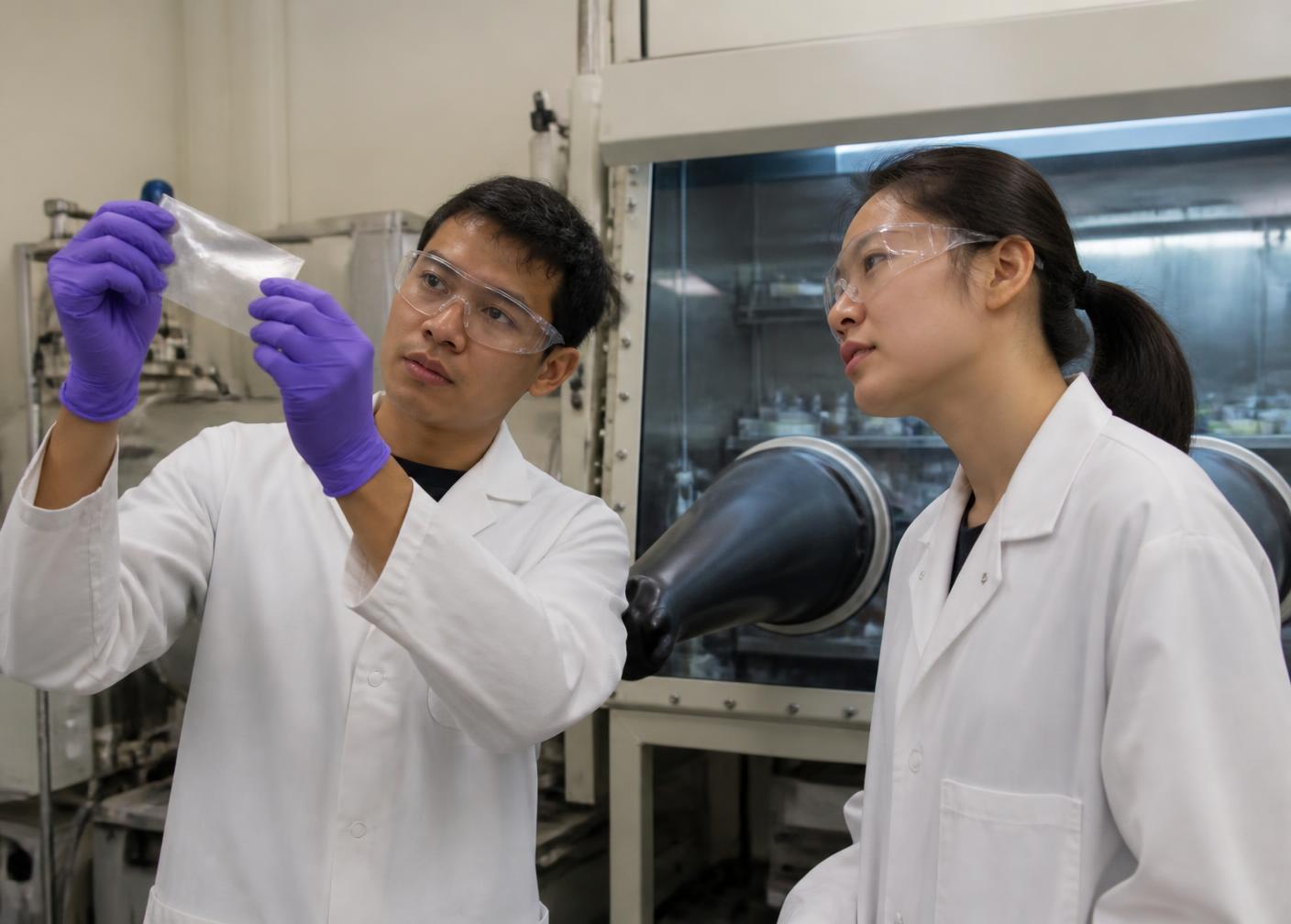
Potential anchor · Manchester
Where the next material is invented, tested and made.
Explore →
06
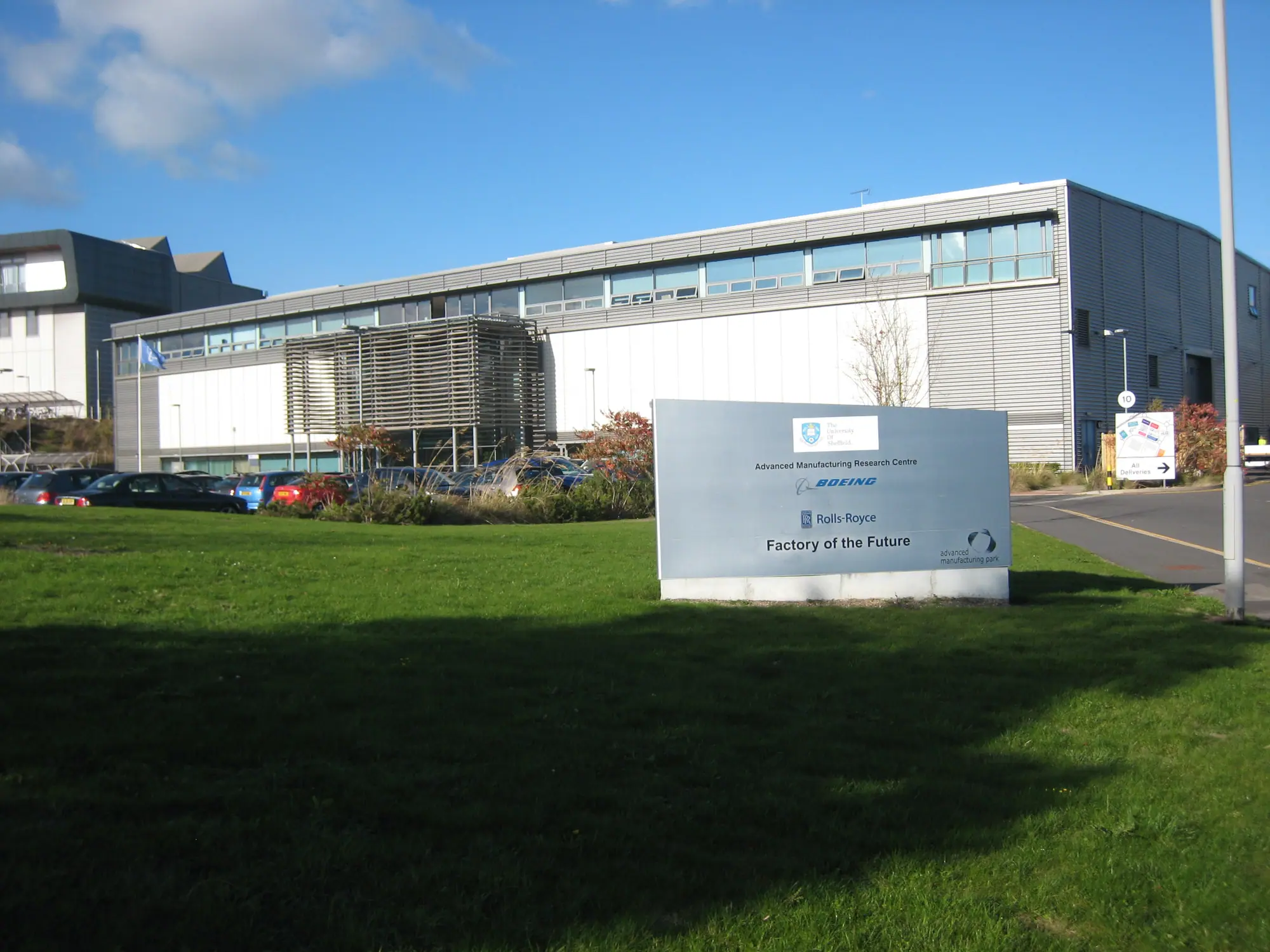
Existing strength · Coventry & Birmingham
Where Britain builds how the world moves.
Explore →
07
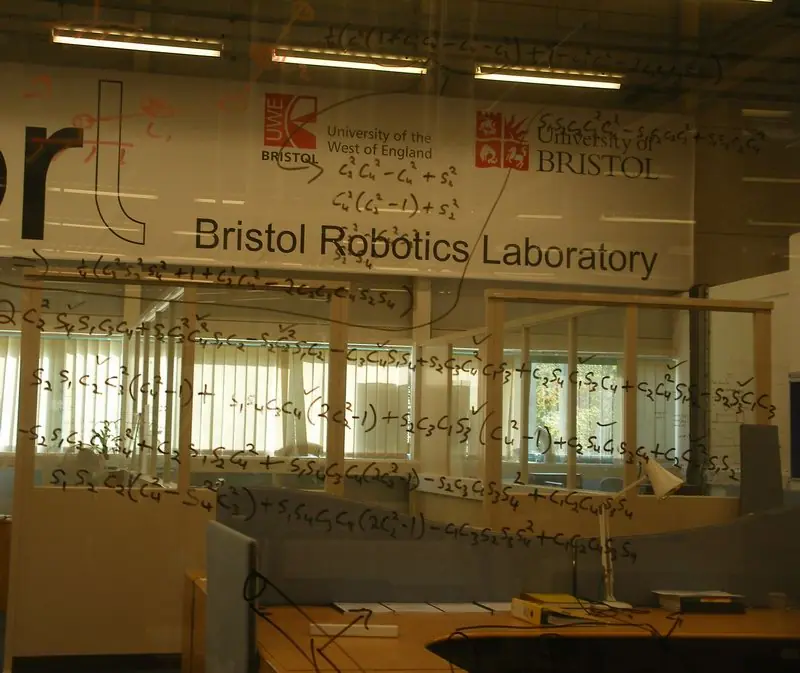
Potential anchor · Bristol & Bath
Where machines learn to work with humans.
Explore →

08
Potential anchor · Glasgow
Build what leaves Earth. Improve what happens on it.
Explore →

09
Existing strength · Teesside & Humber
Where the energy transition becomes an industry.
Explore →
10
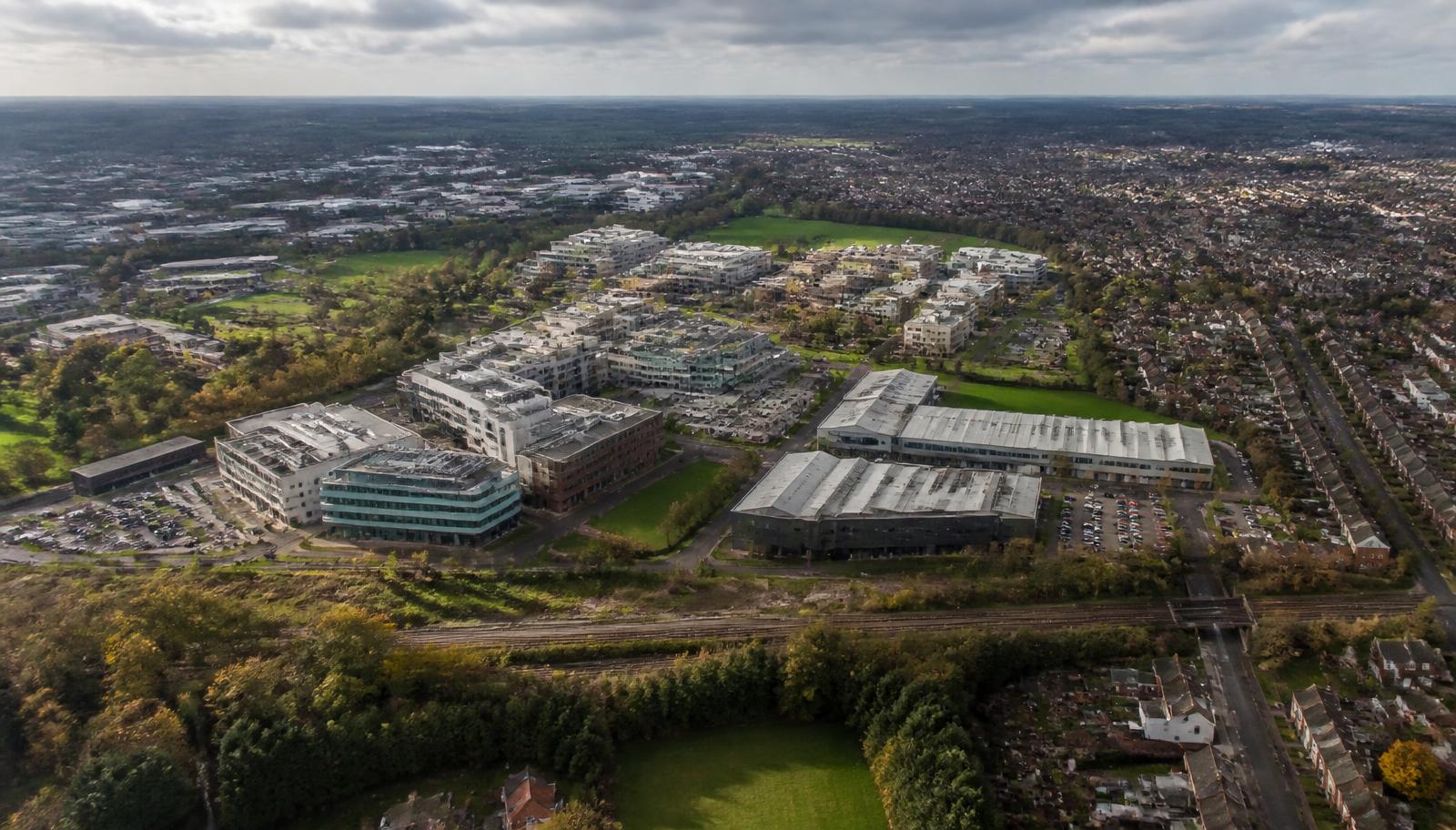
Existing strength · Southampton & Portsmouth
Where good technology reaches the people who need it in time.
Explore →

11
Existing strength · Norwich & the East
Where Britain feeds itself, and others, better.
Explore →
Something here wrong or missing? Challenge this.