The city
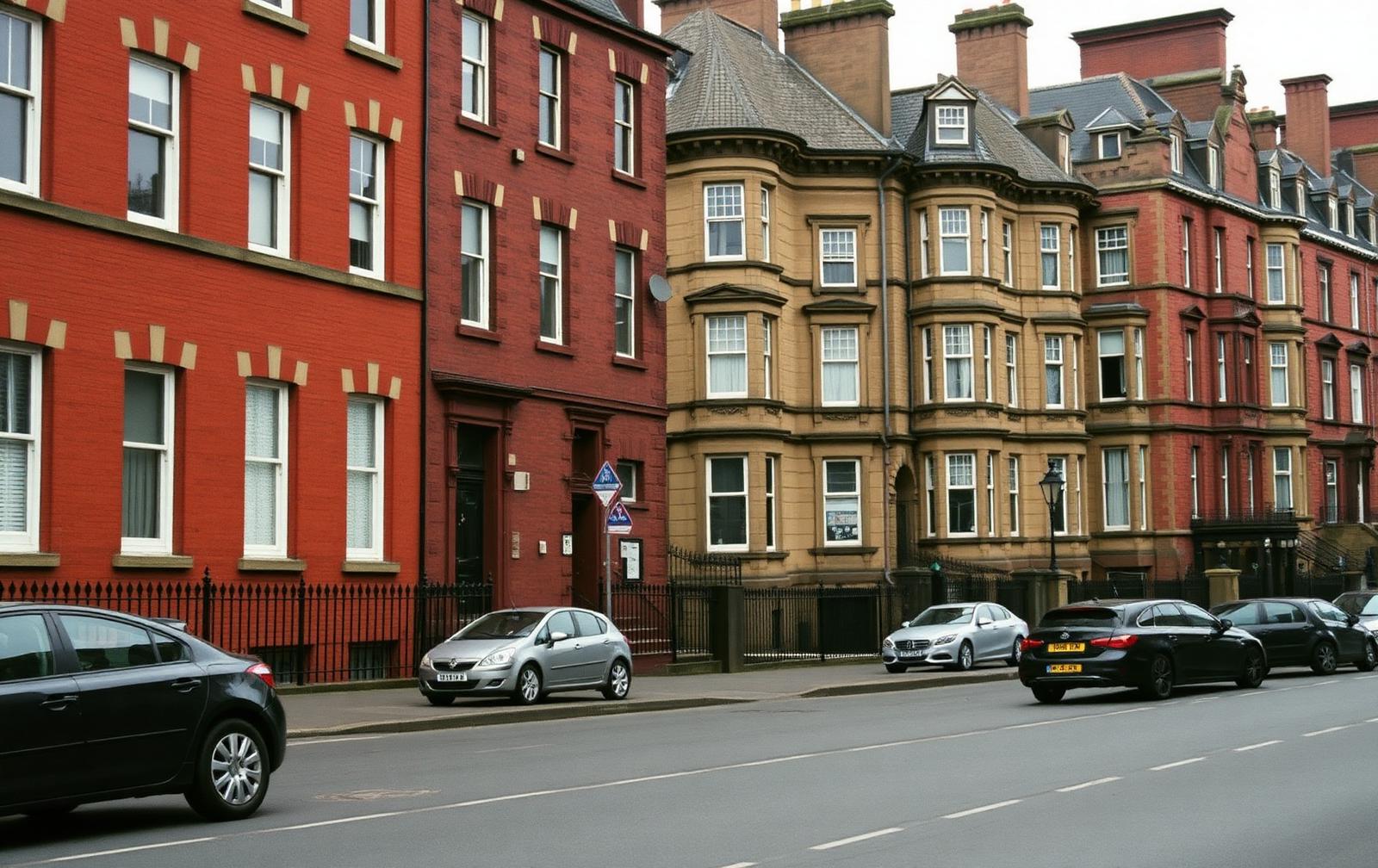
Compact, sandstone, opinionated. You can live centrally on an engineer's salary — which is not true everywhere.
UK Innovation Zone 08
Build what leaves Earth. Improve what happens on it.
Britain builds more small satellites than most of Europe and captures comparatively little downstream data value. The mission covers manufacture, launch, data and applications together.
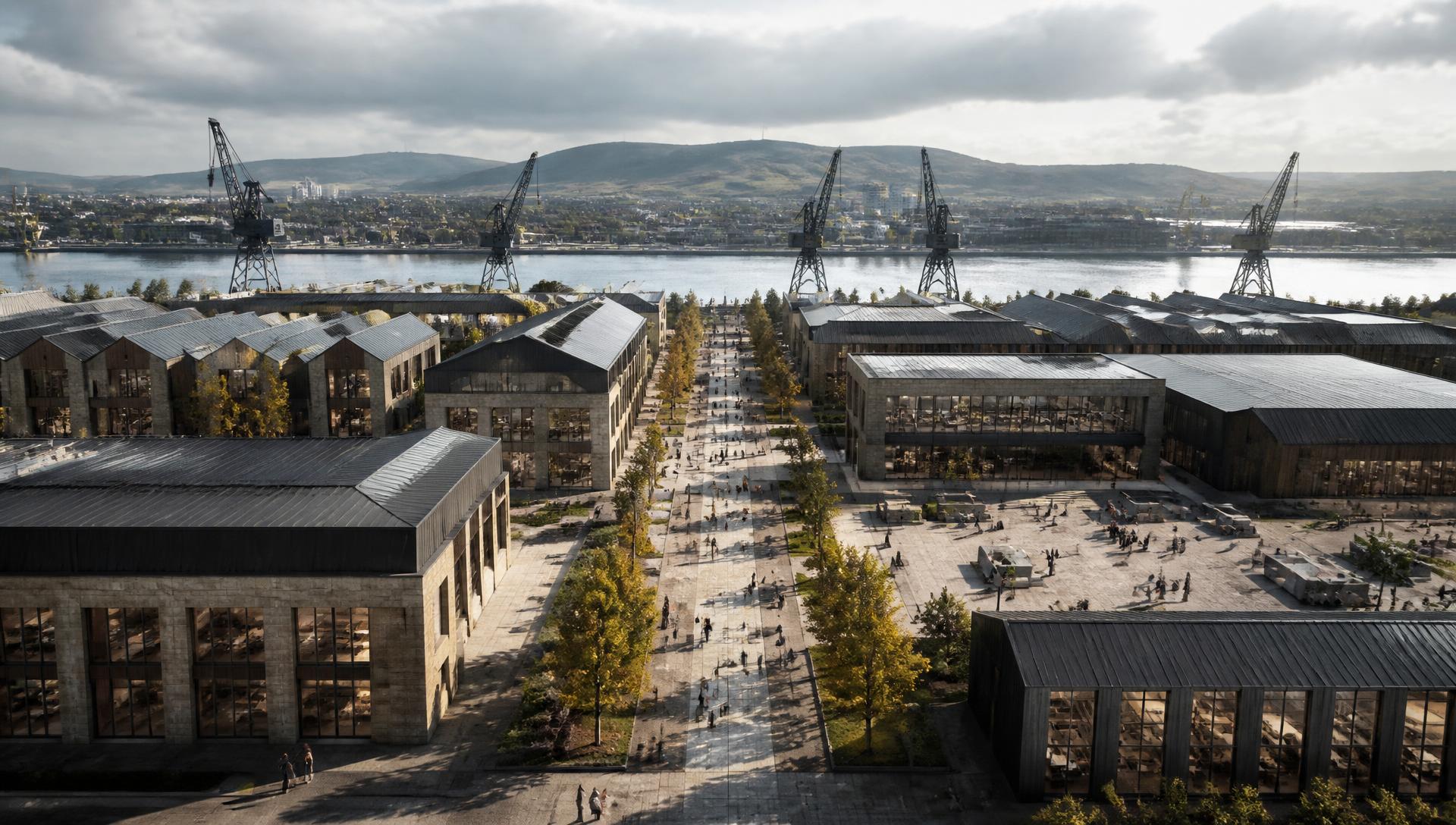
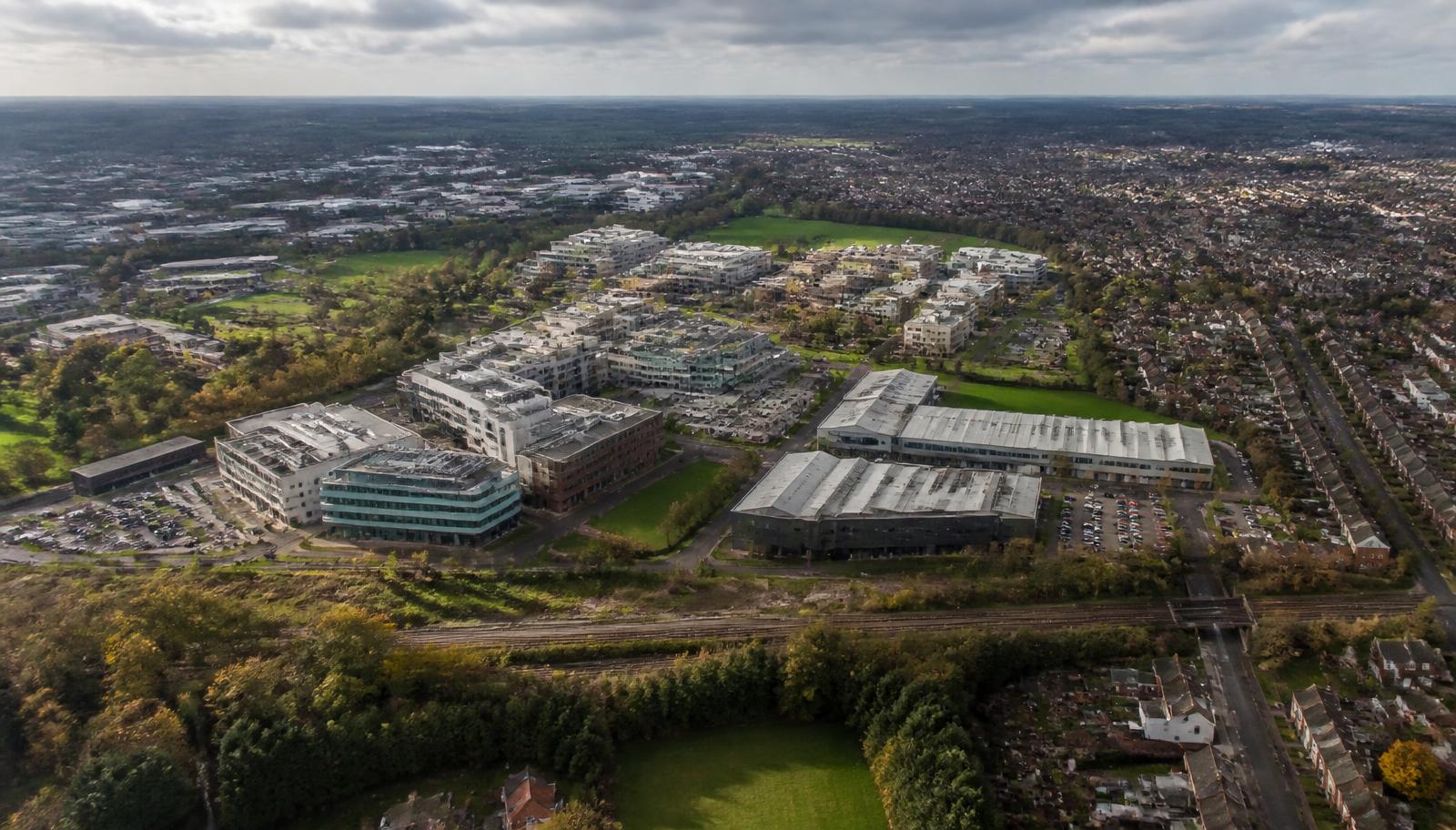
An illustration of how a future UKIZ Zone could bring research, enterprise, homes, public life and nature together. Concept only — no site has been selected and no development is proposed.
The vision
Britain makes small satellites extremely well and captures very little of what happens after they reach orbit. The value has moved downstream, into data, and much of that value is processed somewhere else.
The constraint is not talent. It is test capacity a small company can afford, downstream compute close to the manufacturing, and a place graduates want to stay in after the degree.
A Space & Satellite Zone on the Clyde would put integration halls, environmental test, mission operations and data businesses along one axis — in stone and steel, beside the water, with the hills visible from the workshop door.
What exists
Verified organisations, research and infrastructure already in Britain.
What could exist
The UKIZ vision for the place these strengths could become.
What we need
The partners, land, capital and infrastructure required to close the gap.
Imagine this place
The Axis
The central pedestrian route connecting people, ideas and opportunity.
The Forum
The public heart: meetings, demonstrations, events, exhibitions, food and collaboration.
Research & innovation
Laboratories, university departments, specialist research and testing facilities.
Startups & scale-ups
Flexible space for companies to start, grow and stay within the ecosystem.
Industry
Established businesses, manufacturing, prototyping and commercialisation.
Capital
Where founders, investors and institutions naturally meet.
Education
Universities, apprenticeships, technical education and lifelong learning.
Homes
Housing for different ages, incomes and stages of life.
Public life
Restaurants, cafés, pubs, shops, culture, sport and entertainment.
Nature
Green corridors, water, biodiversity, running, walking and cycling.
Transport
Fast connections into the city, the region, the airport and the national UKIZ network.
Eleven Zones, not eleven identical campuses. Architecture and public realm answer to local materials, existing buildings, industrial heritage, landscape, climate and culture. What is shared is the Axis principle, the public realm philosophy, wayfinding, quality standards, connectivity and the operating model — never the buildings.
Applied to Space & Satellite Technologies, that means local materials and existing buildings first — never a transplanted business park.
Sandstone, water, cranes and hills. Glasgow built ships for the world and then built more satellites than anywhere else in Europe, largely without telling anyone. The character is workshop, not campus.
Why here
Existing advantage
The gaps clustering could close
Geographic hypothesis: Distributed. Core capability concentrates around Glasgow, Harwell and Oxfordshire, and Cornwall, with complementary strength in the North East, Bristol and the Solent. No site has been selected.
What exists today
Verified organisations already working in this field inside the candidate ecosystems. Recorded in the UKIZ map with source and date — not a membership list or an endorsement.
Universities
University of Glasgow
Glasgow & the Central Belt
Universities
University of Strathclyde
Glasgow & the Central Belt
Companies
Glasgow small satellite manufacturing cluster
Glasgow & the Central Belt
Universities
University of Edinburgh
Edinburgh
Specialist facilities
National Robotarium
Edinburgh
Universities
University of Plymouth
Cornwall & Plymouth
Research institutes
Plymouth Marine Laboratory
Cornwall & Plymouth
Specialist facilities
Space and Earth observation capability, Cornwall
Cornwall & Plymouth
Life around the Zone
The city
Compact, sandstone, opinionated. You can live centrally on an engineer's salary — which is not true everywhere.
Music
A UNESCO City of Music with a venue on most nights and no pretension about it.
Nature
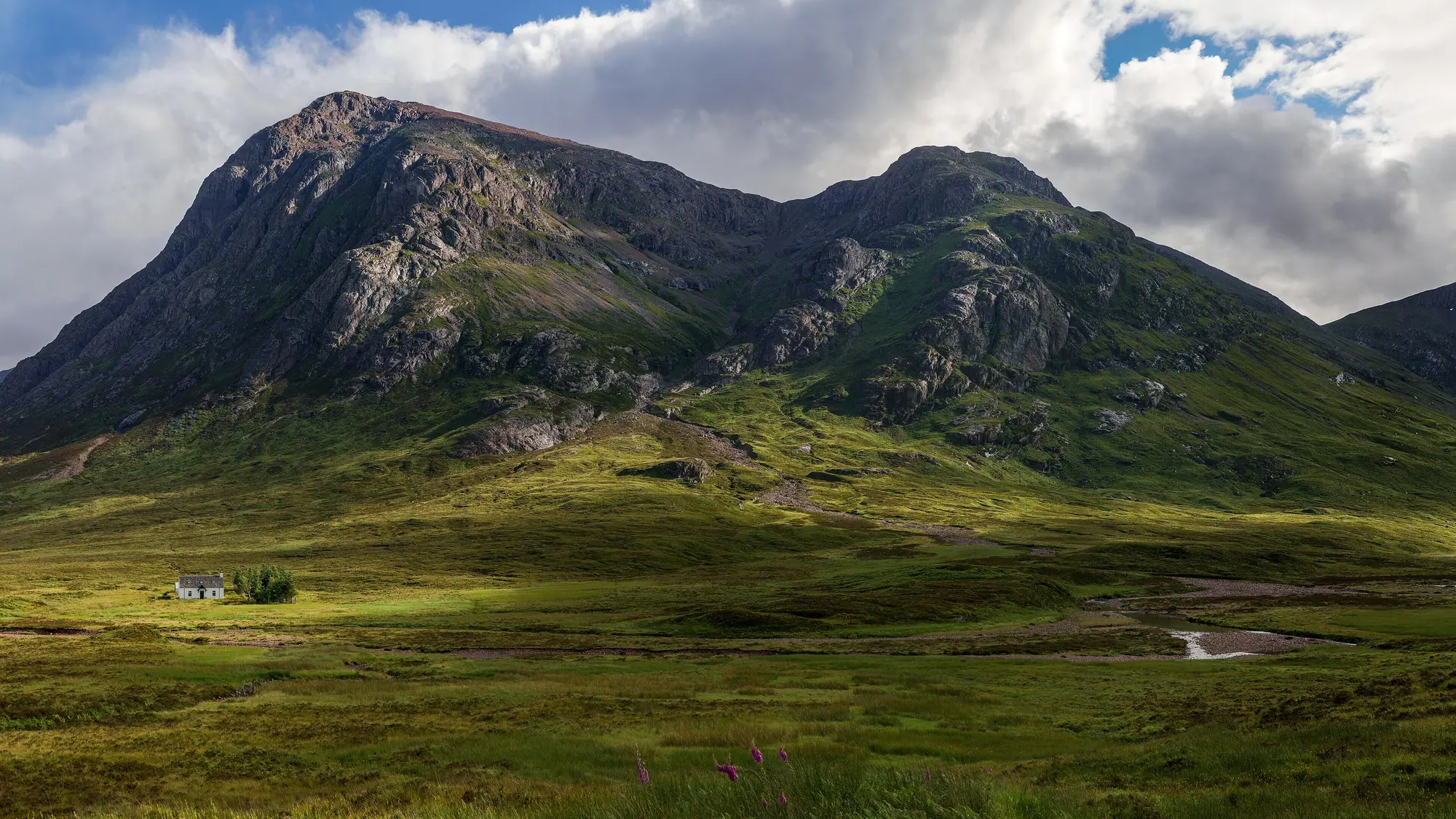
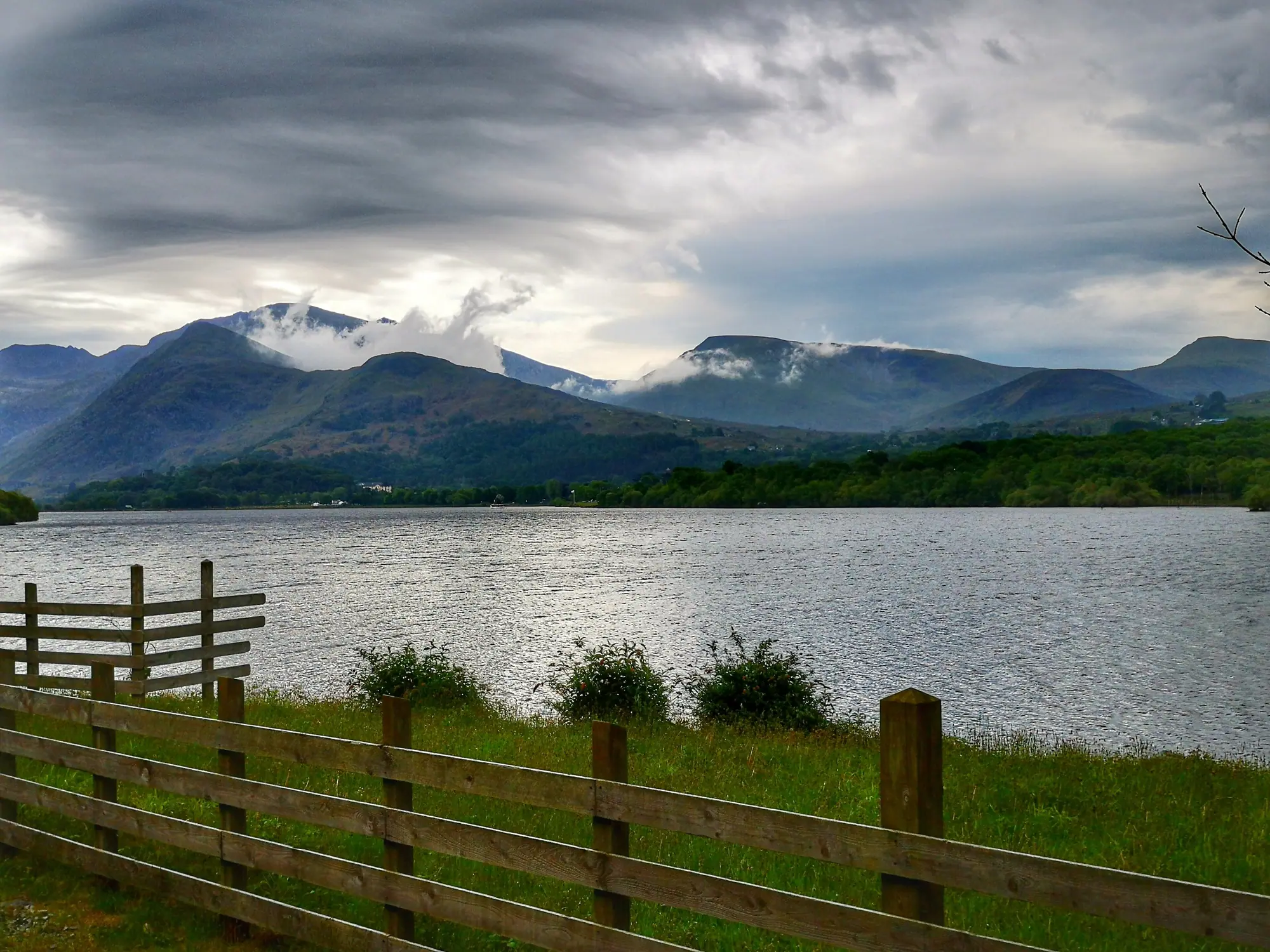
Loch Lomond & the Trossachs within an hour; Glencoe and the West Highlands within a morning.
Colin / Wikimedia Commons · CC BY-SA 4.0Getting out
Two airports within reach, and Edinburgh fifty minutes by train.
24 hours here
07:15
The Clyde is flat and grey-silver. Cycle in along the river path.
09:00
Vibration test slot. Three companies share the rig this week; yours has the morning.
11:30
Integration hall — a spacecraft the size of a washing machine, half assembled, entirely British.
13:00
Lunch in the Forum. An Earth observation startup is arguing with a hydrologist about flood models.
15:00
Mission operations review with a customer joining from Toulouse.
17:30
Teach an hour on the technician apprenticeship. Half of them are from three miles away.
19:30
Dinner in Finnieston, then the Barrowlands if you have the energy.
Saturday
Loch Lomond in forty minutes. Glencoe in two hours. The West Highland Line if you would rather not drive.
Illustrative. A day in another Zone would read nothing like it — which is the point.
Proposed national innovation mission
Help build what Britain does in orbit.
Build on Britain's small satellite position to hold more of the space value chain
The people, companies, research and technologies behind British satellites, launch, data and space services.
Proposed by UKIZ · independent · not a government designation
Learn
Understand the field.
Study
Courses, universities, apprenticeships and pathways.
Work
Companies, careers, skills and opportunities.
Build
Startups, programmes, facilities and support.
Research
Research organisations, collaboration and commercialisation.
Invest
Companies, investors and emerging opportunities.
Collaborate
Needs, offers, projects and challenges.
Meet
Events, gatherings and eventually Innovation Camps.
These are participation paths, not membership tiers. Joining the mission is how UKIZ knows which of them to put in front of you.
Follow
Email only. No account. Unsubscribe in one click.
Join the conversation
Meet and exchange ideas with people interested in this mission.
The official LinkedIn group for this mission is being set up. Join the mission and it will appear here when it opens.
Interest in this Zone
UKIZ is assembling the companies, universities, researchers, investors, public bodies and people who could make this Zone real.
Register my interestCurrent UKIZ intervention hypothesis
Small satellite manufacture, launch capability and downstream data are real but distributed across several ecosystems and two national funding systems. UKIZ has not established whether the dominant constraint is coordination, capital or specialist facilities.
What could change our view?
Core capability means a particularly strong concentration relevant to this mission. Connected capability means other ecosystems contributing important complementary strength. UKIZ maps capability before allocating prestige: no place has been designated the home of any mission.
Core capability
Connected capability
What is a UK Innovation Zone?
A UK Innovation Zone is a mission-led ecosystem connecting the places, organisations, capital, infrastructure and people required to turn British capability into commercial outcomes.
A Zone may have a physical centre where evidence demonstrates that new infrastructure or concentration would create additional value. But the network comes first.
01 — THE MISSION
Britain builds more small satellites than most of Europe and captures comparatively little downstream data value. The mission covers manufacture, launch, data and applications together.
02 — WHY IT MATTERS
Comparable in function to Luxembourg's downstream space strategy, with British manufacturing depth.
03 — WHERE THE CAPABILITY IS
Current geographic hypothesis: Distributed. Core capability concentrates around Glasgow, Harwell and Oxfordshire, and Cornwall, with complementary strength in the North East, Bristol and the Solent.. This is indicative geography — a record of where relevant capability is concentrated today, not a decision that this mission belongs to one place or that anything would be built there.
04 — EXISTING STRENGTHS
05 — ECOSYSTEM PARTICIPANTS
The types of organisation and individual already active in this capability. Listing a participant type is a description of the ecosystem, not membership, endorsement or a commitment by anyone named or implied.
06 — INDUSTRIES
07 — UNIVERSITIES & RESEARCH
08 — INFRASTRUCTURE — EXISTING AND POTENTIALLY MISSING
Listing infrastructure is not a proposal to build it. Physical intervention is only recommended where evidence demonstrates additionality.
09 — THE COMMERCIALISATION PATH
10 — POTENTIAL OUTCOMES TO TEST
These are hypotheses to be tested, not forecasts, targets or guarantees. Each would need to pass the additionality test — would it happen anyway, or happen elsewhere in Britain? — before it counts as a reason to intervene. UKIZ makes no projections it cannot evidence.
How additionality is tested →Missions are national communities, but the work happens somewhere. These destinations have a specific angle on this mission — what pursuing it there would mean, and what living there is like. They are not the only places in Britain doing this work.
Satellite manufacture at European scale, in a city that still makes physical things.
Build things that leave the planet, from a city with a personality firmly on it.
Space applications clustered around national facilities at Harwell.
Use national scientific infrastructure most countries cannot afford, then walk home through a meadow.
Satellite communications and deep-space ground station capability.
Space communications, marine energy and lithium — in the most beautiful place on this list.
If this mission is your world — as a founder, researcher, operator, investor or institution — tell us what you could contribute and what you need.
Personalise UKIZ
Follow Space & Satellite Technologies and we'll find companies, opportunities, events and people relevant to you.
Turn British discovery and NHS-scale clinical evidence into British medicines, devices and health companies
Make Britain a place where engineered biology is manufactured, not only invented
Convert two decades of national quantum research investment into British companies and customers
What we need
None of this is secured. Each line is an open invitation rather than an announcement.
The network
A life sciences company needs AI, materials and biomanufacturing. A space company needs semiconductors, robotics and energy. Eleven Zones only make sense if they can call on one another — which is why UKIZ is a national network rather than eleven separate developments.
What we need
Zones are not announced into existence. They are built by governments, universities, companies, investors, developers, operators and the people who would live there.
Build Space & Satellite Technologies with us →Explore another Zone
01
Existing strength · Cambridge
From discovery to treatment to global health.
Explore →

02
Existing strength · Cambridge
Where biology becomes something Britain makes.
Explore →

03
Existing strength · Bristol & Bath
Where the strange becomes useful.
Explore →

04
Existing strength · Cardiff & South Wales
Where light and silicon carry the country.
Explore →
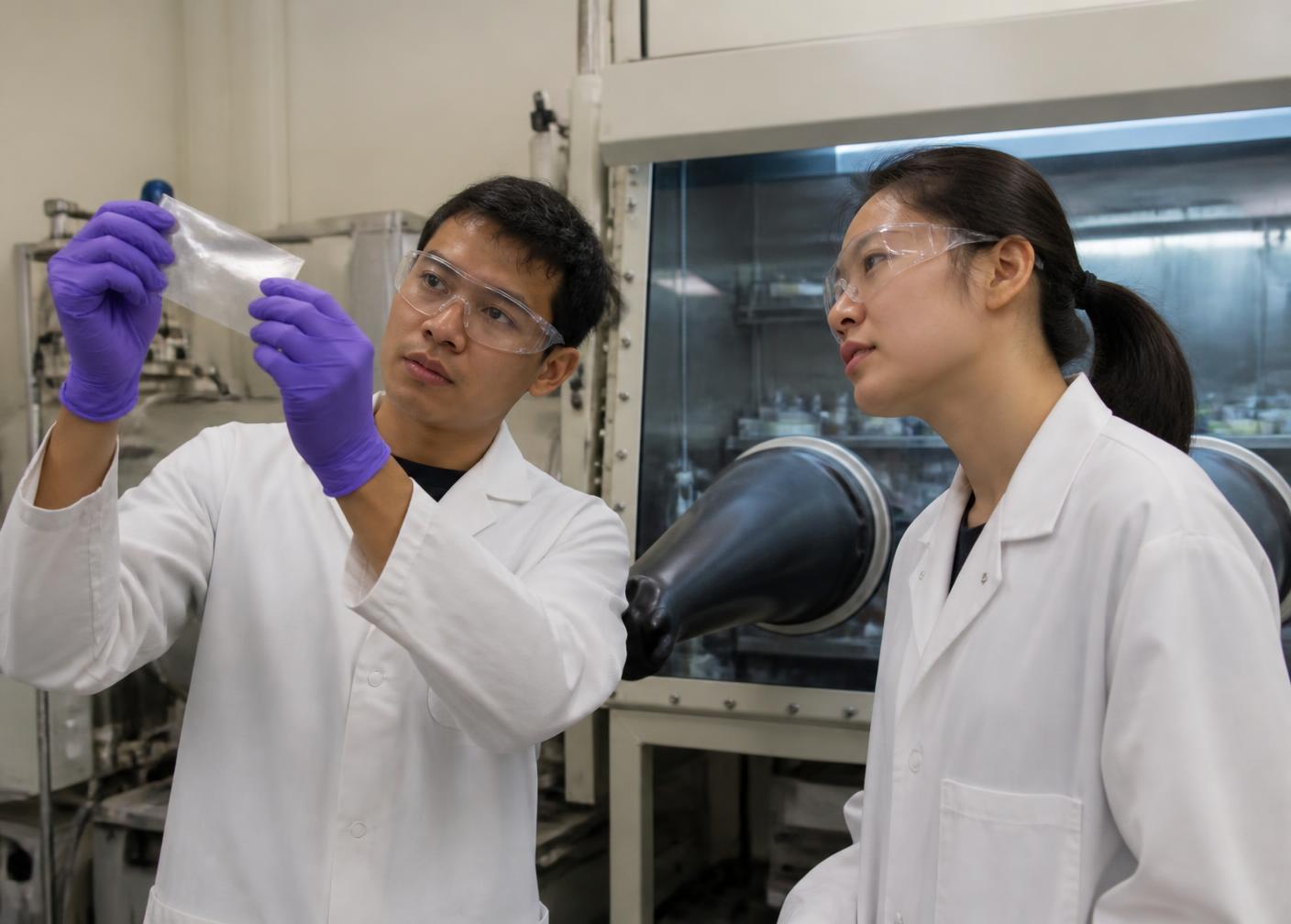
05
Potential anchor · Manchester
Where the next material is invented, tested and made.
Explore →
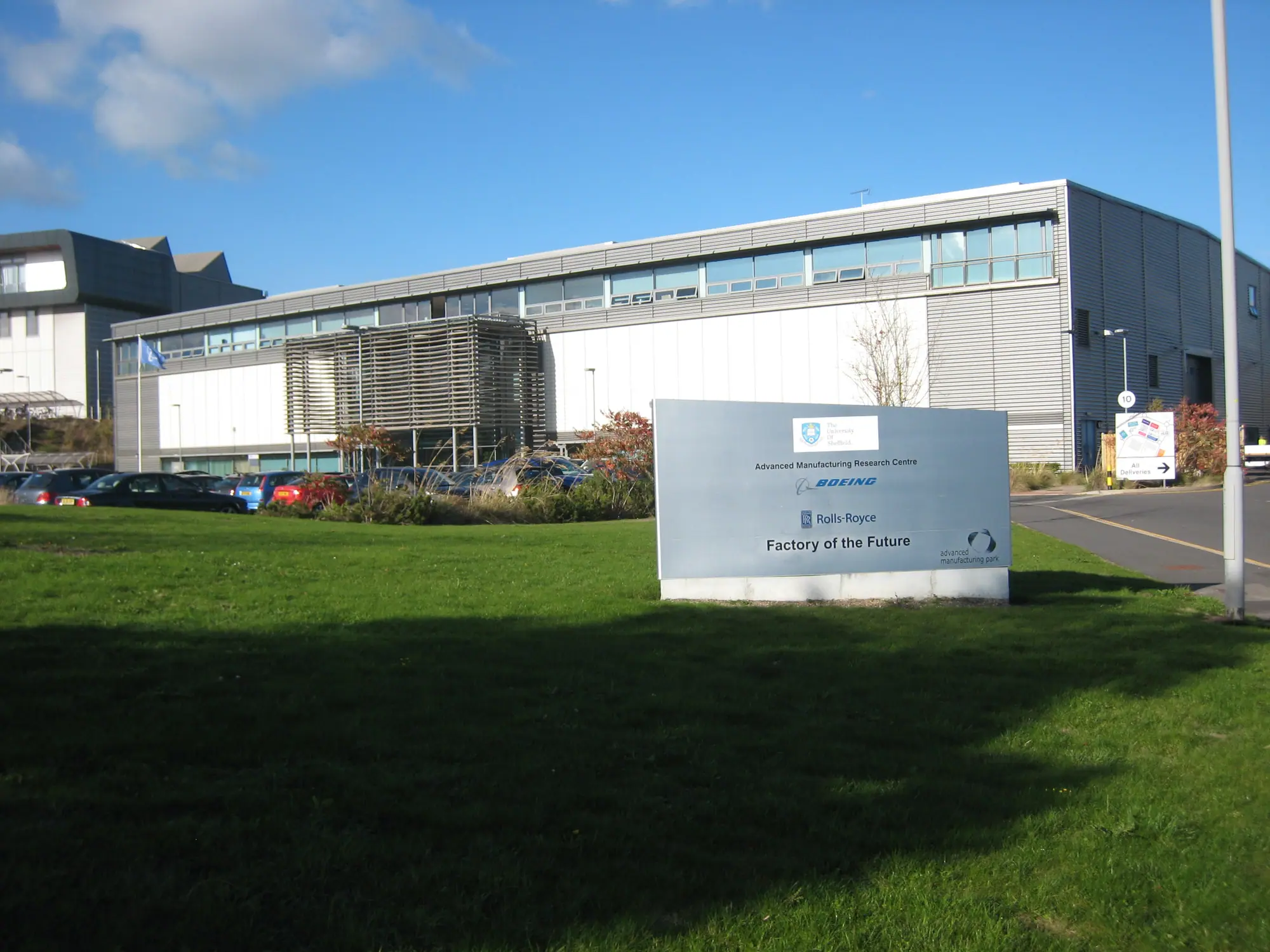
06
Existing strength · Coventry & Birmingham
Where Britain builds how the world moves.
Explore →
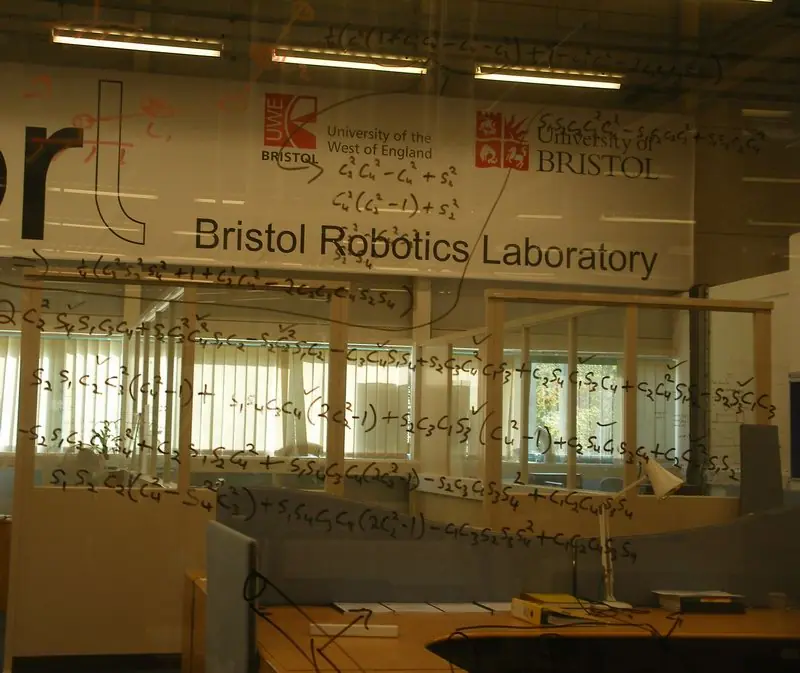
07
Potential anchor · Bristol & Bath
Where machines learn to work with humans.
Explore →
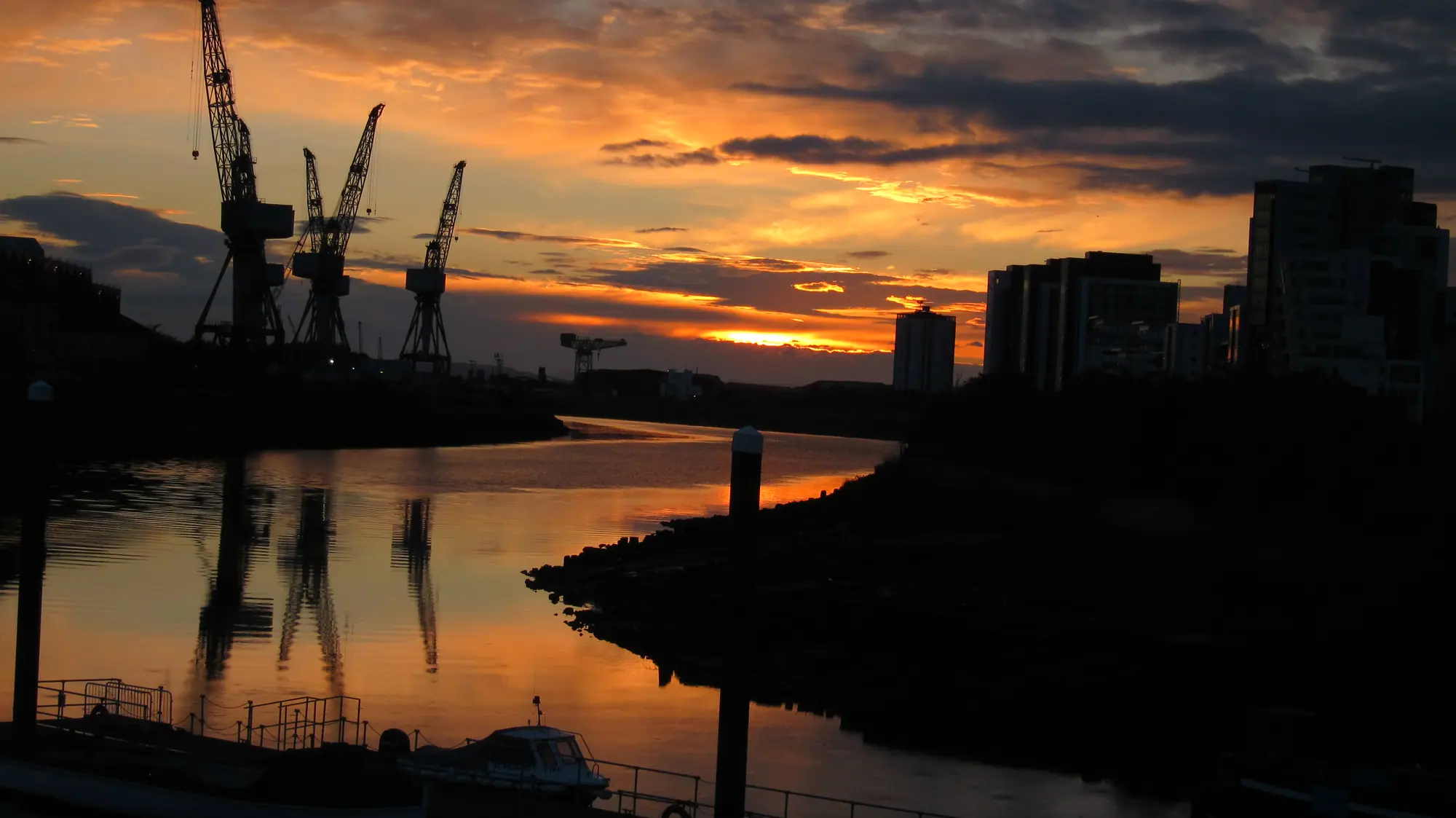
08
Potential anchor · Glasgow
Build what leaves Earth. Improve what happens on it.
Explore →
09
Existing strength · Teesside & Humber
Where the energy transition becomes an industry.
Explore →
10
Existing strength · Southampton & Portsmouth
Where good technology reaches the people who need it in time.
Explore →
11
Existing strength · Norwich & the East
Where Britain feeds itself, and others, better.
Explore →
Something here wrong or missing? Challenge this.