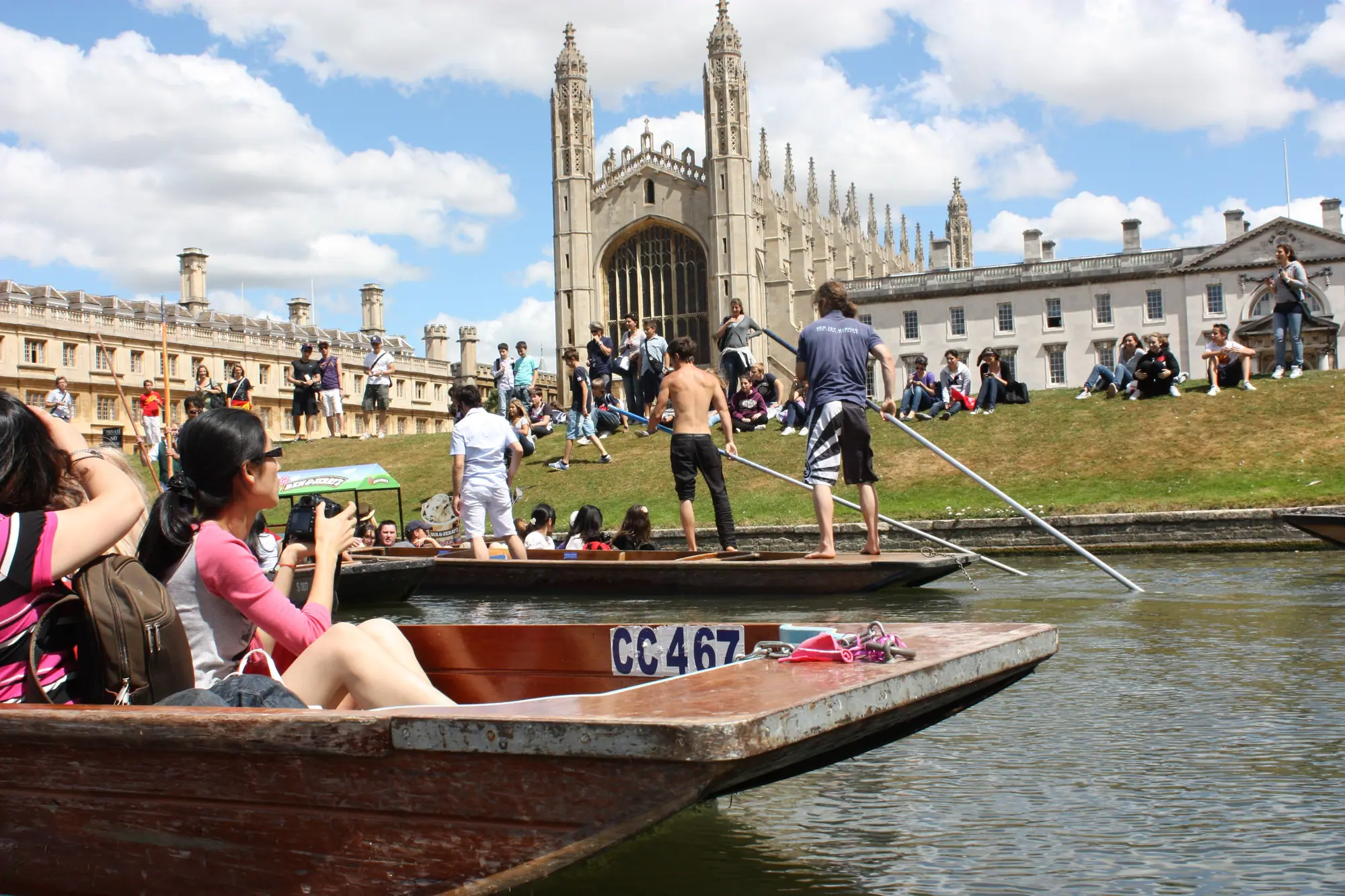
01
Life Sciences & Health Innovation
Existing strength · Cambridge
From discovery to treatment to global health.
Explore →
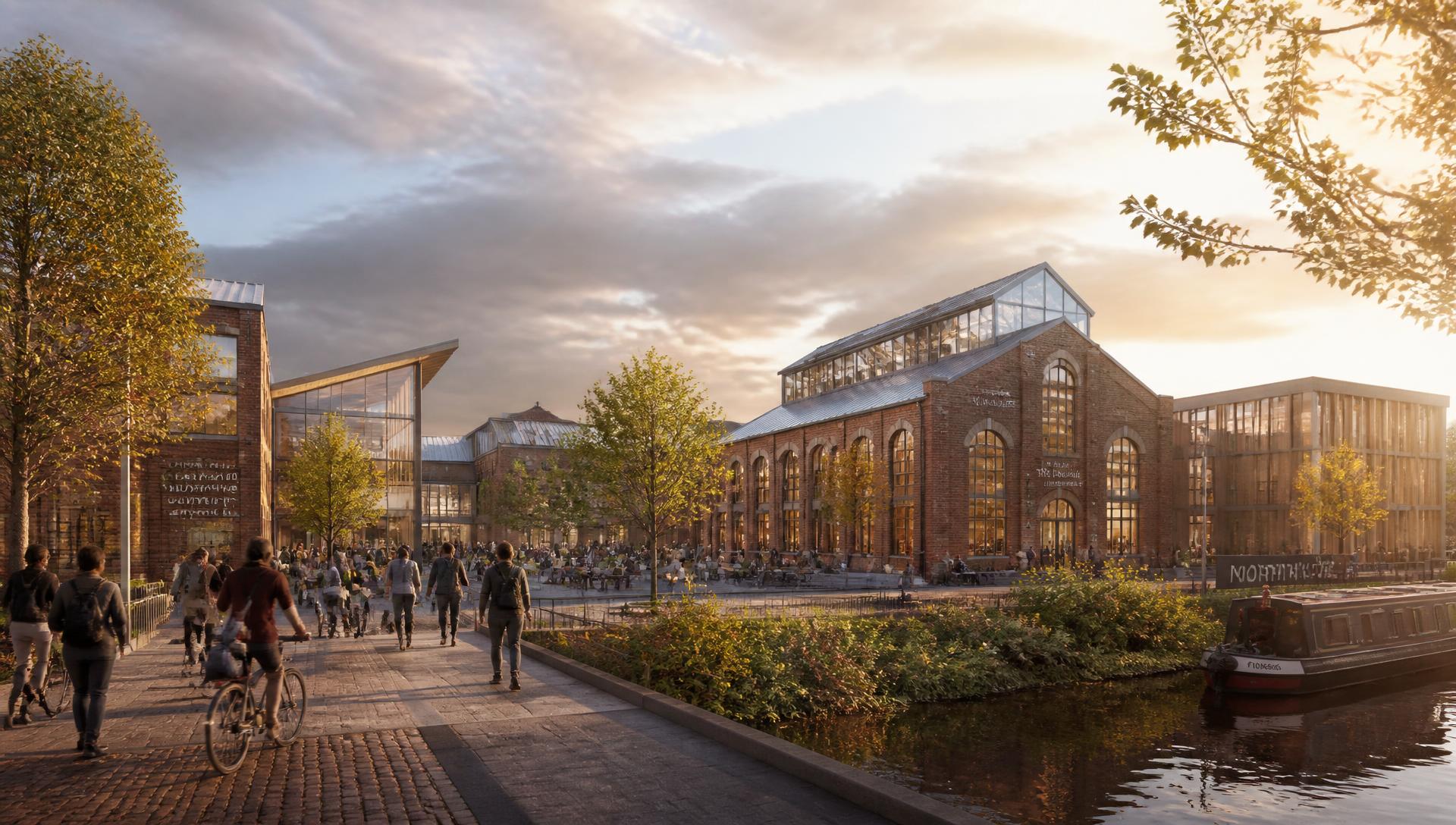
Britain already has the universities, researchers, companies, talent and ideas. UKIZ asks a bigger question: what could happen if we connected them into extraordinary places built around Britain's greatest opportunities?
An illustration of how a future UKIZ Zone could bring research, enterprise, homes, public life and nature together. Concept only — no site has been selected and no development is proposed.
The mental model
A Zone is not "AI companies in Britain" or "life sciences organisations". It is what happens when research, universities, companies, investors, specialist facilities, talent, education, homes, transport, culture, nature and public life are deliberately connected into a place people want to work, build, study, invest, live, visit and belong in.
What exists
Verified organisations, research and infrastructure already in Britain.
What could exist
The UKIZ vision for the place these strengths could become.
What we need
The partners, land, capital and infrastructure required to close the gap.
01
Existing strength · Cambridge
From discovery to treatment to global health.
Explore →

02
Existing strength · Cambridge
Where biology becomes something Britain makes.
Explore →

03
Existing strength · Bristol & Bath
Where the strange becomes useful.
Explore →

04
Existing strength · Cardiff & South Wales
Where light and silicon carry the country.
Explore →
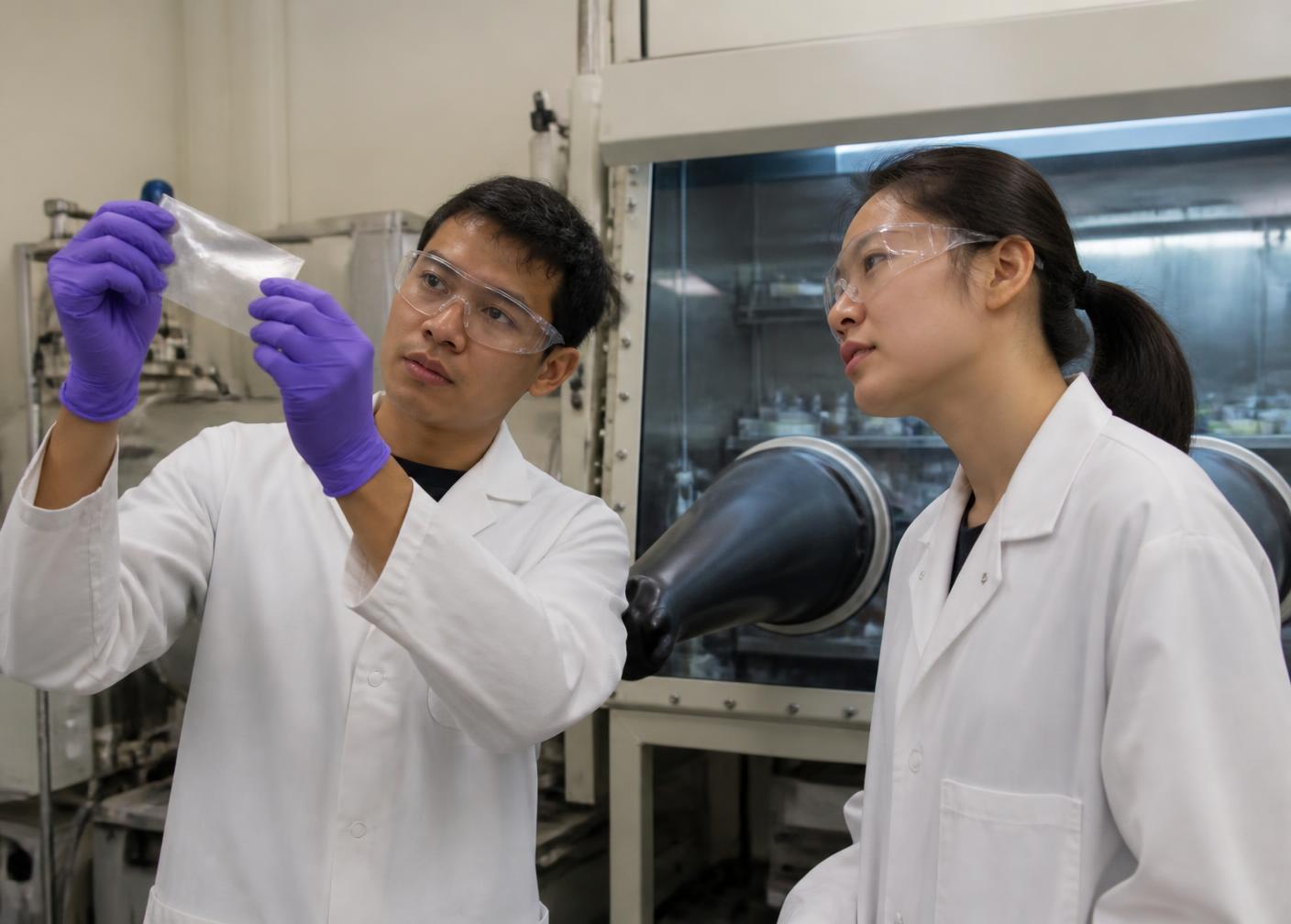
05
Potential anchor · Manchester
Where the next material is invented, tested and made.
Explore →
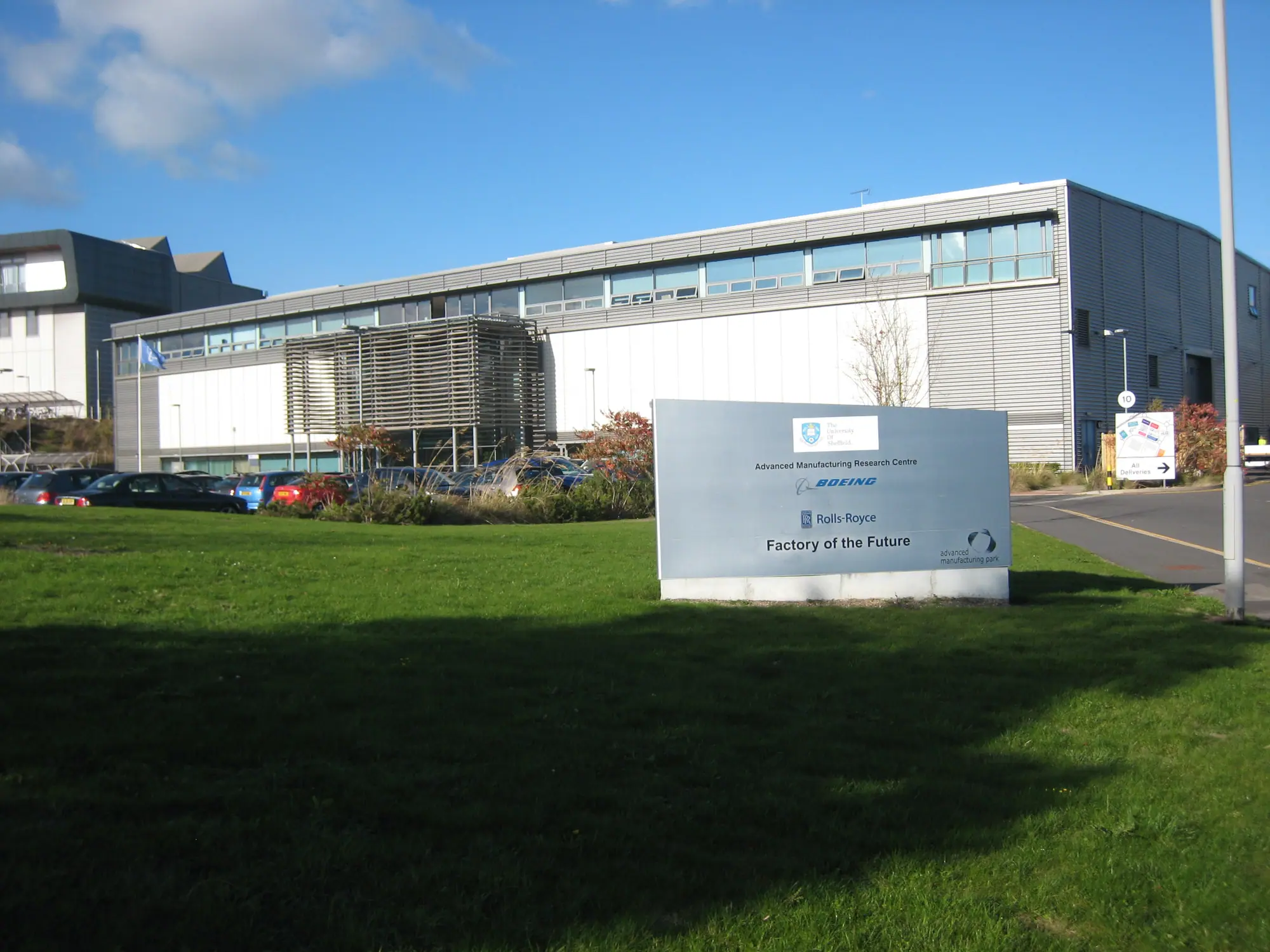
06
Existing strength · Coventry & Birmingham
Where Britain builds how the world moves.
Explore →
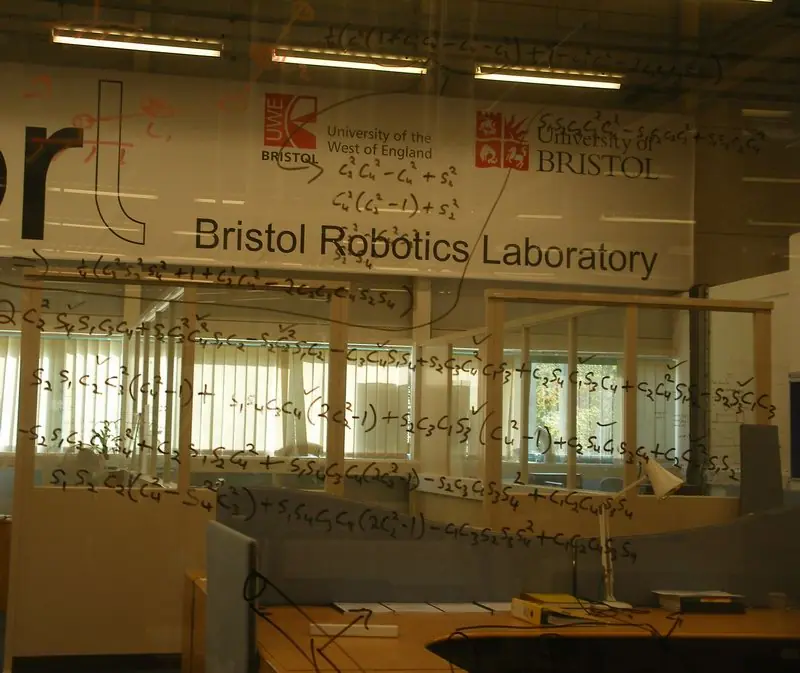
07
Potential anchor · Bristol & Bath
Where machines learn to work with humans.
Explore →
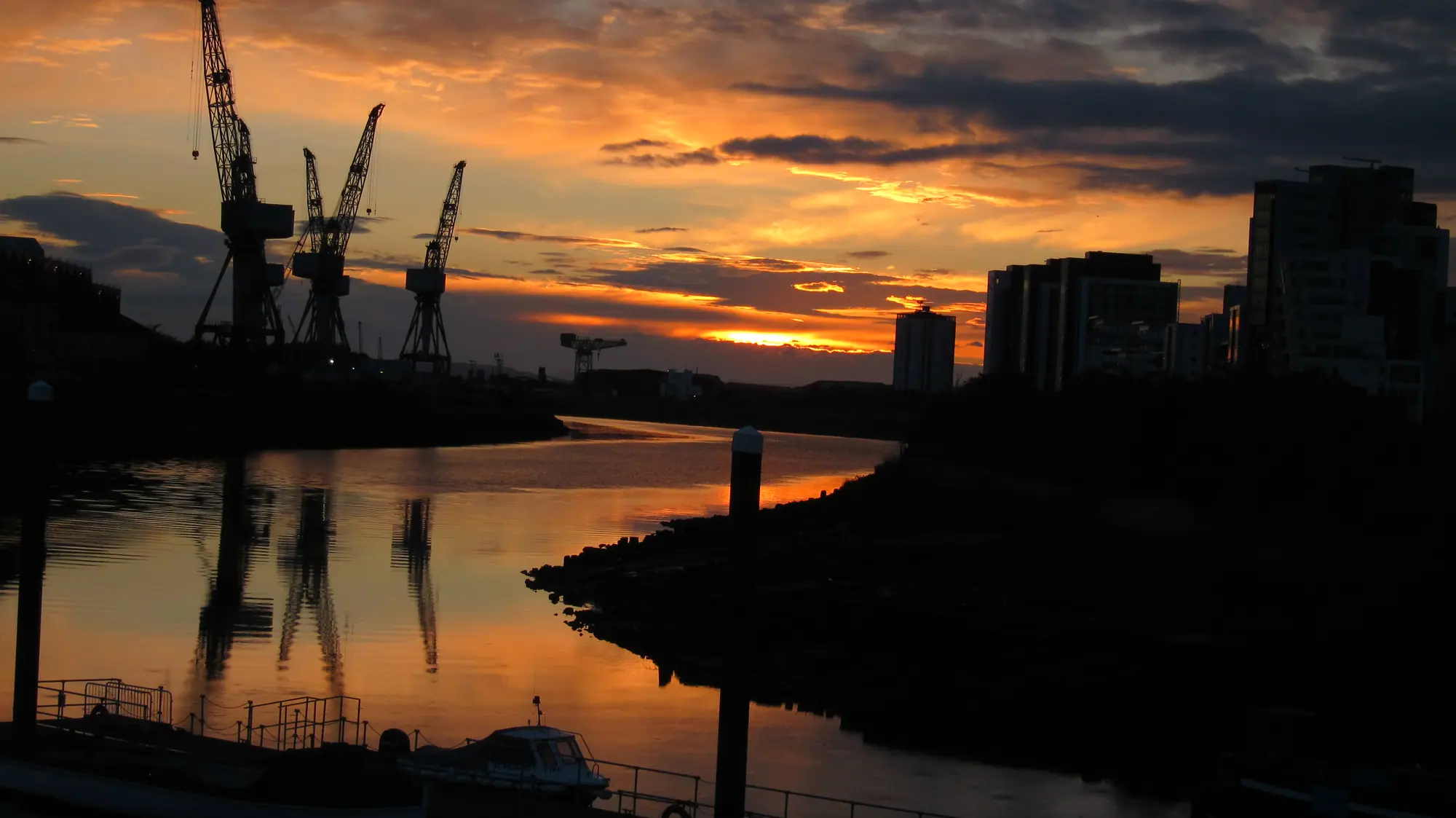
08
Potential anchor · Glasgow
Build what leaves Earth. Improve what happens on it.
Explore →
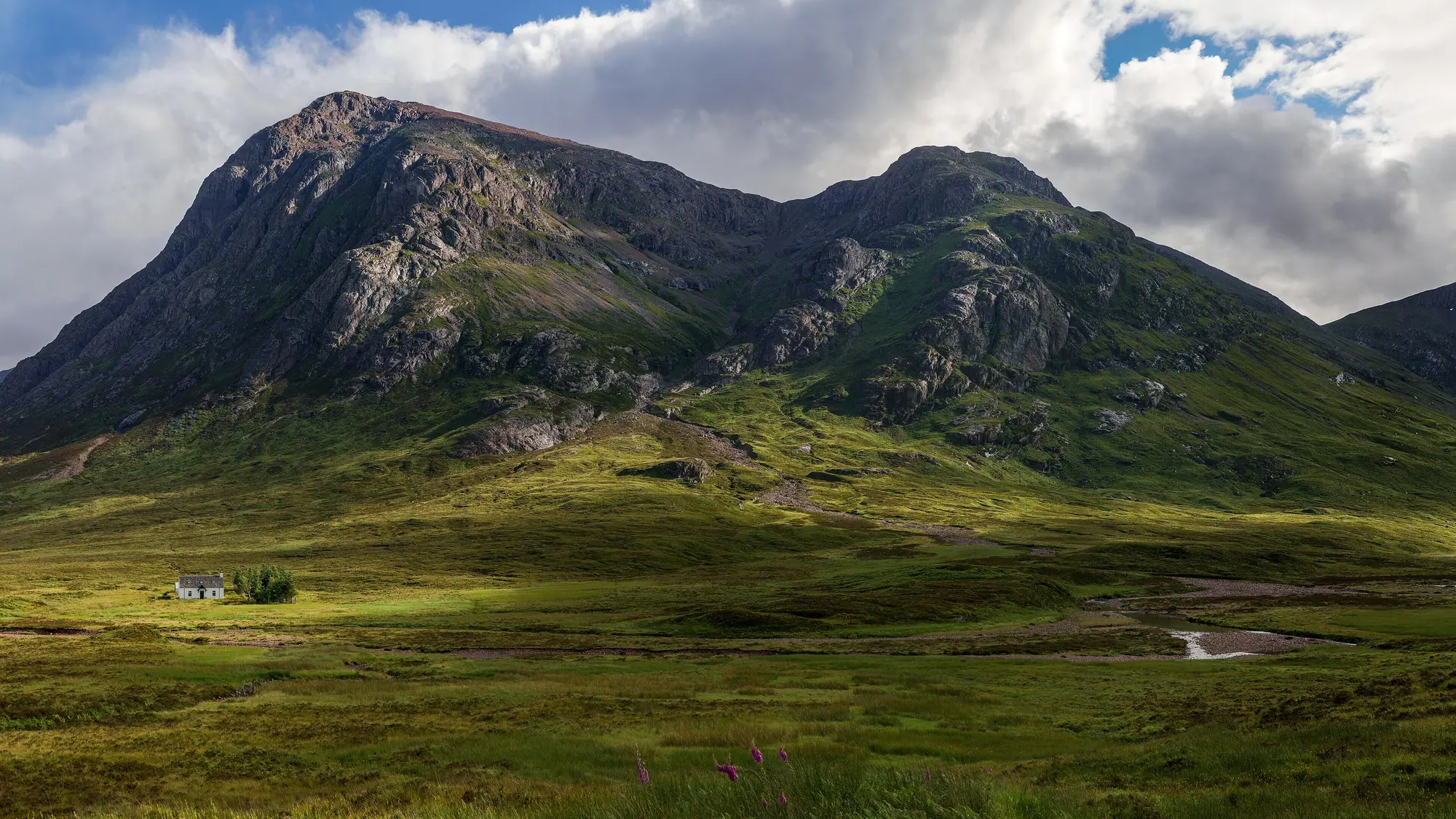
09
Existing strength · Teesside & Humber
Where the energy transition becomes an industry.
Explore →
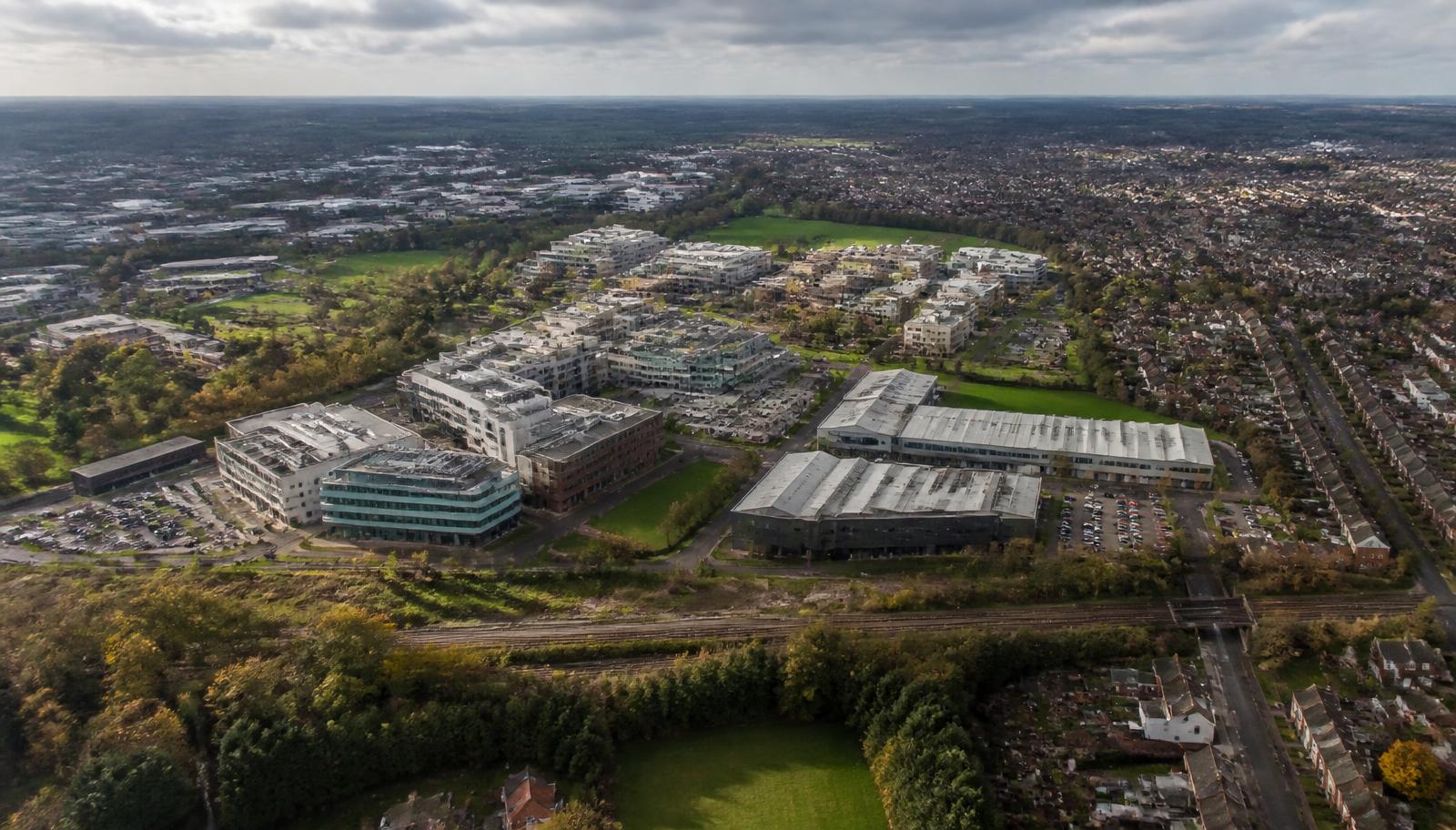
10
Existing strength · Southampton & Portsmouth
Where good technology reaches the people who need it in time.
Explore →
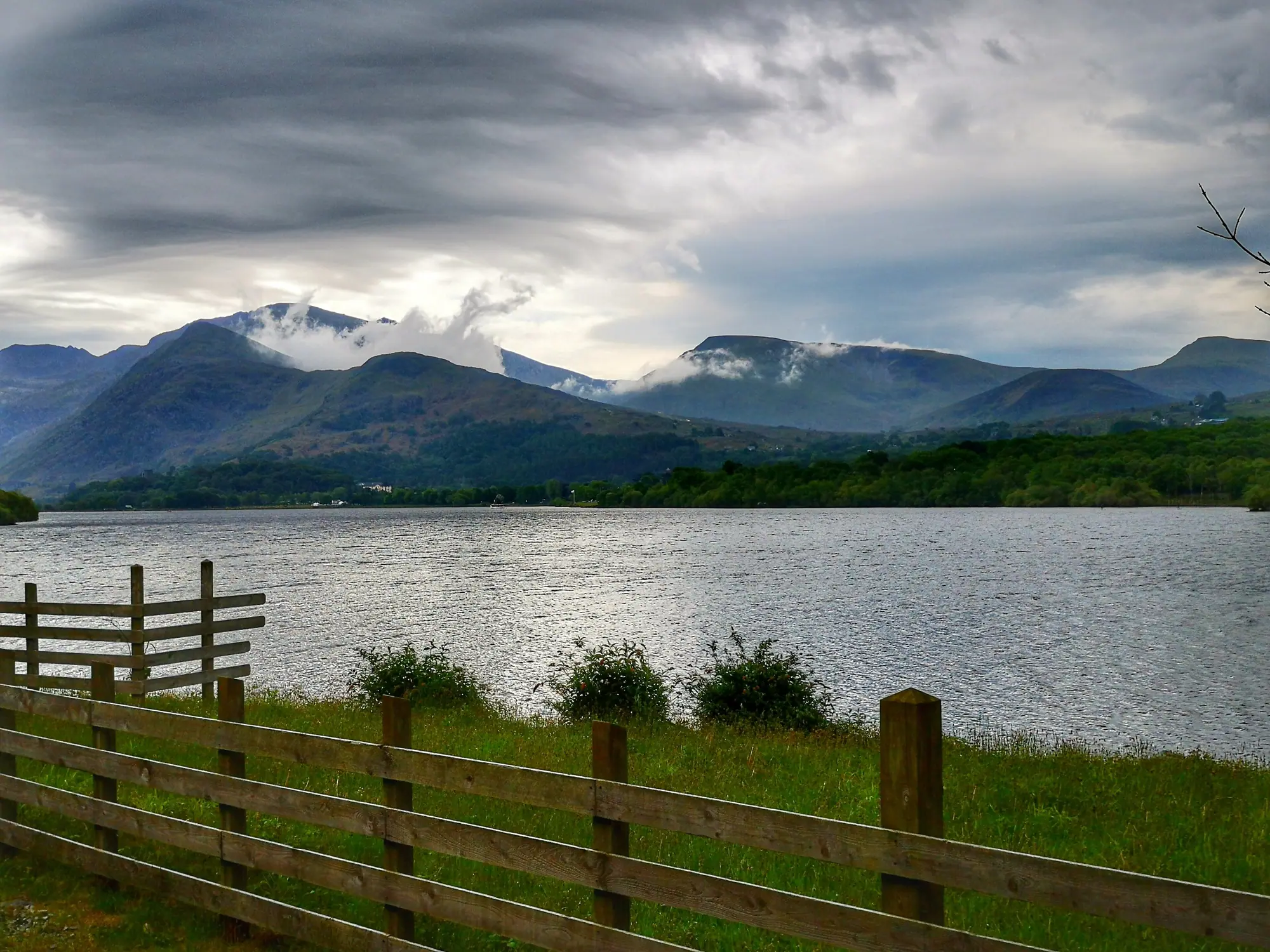
11
Existing strength · Norwich & the East
Where Britain feeds itself, and others, better.
Explore →
Candidate ecosystems describe where capability already exists. They are not selected sites.
Where Britain could build
Select a Zone to see the ecosystems that already hold capability for it. These are existing strengths and candidate ecosystems, not selected sites.
Imagine this place
The Axis
The central pedestrian route connecting people, ideas and opportunity.
The Forum
The public heart: meetings, demonstrations, events, exhibitions, food and collaboration.
Research & innovation
Laboratories, university departments, specialist research and testing facilities.
Startups & scale-ups
Flexible space for companies to start, grow and stay within the ecosystem.
Industry
Established businesses, manufacturing, prototyping and commercialisation.
Capital
Where founders, investors and institutions naturally meet.
Education
Universities, apprenticeships, technical education and lifelong learning.
Homes
Housing for different ages, incomes and stages of life.
Public life
Restaurants, cafés, pubs, shops, culture, sport and entertainment.
Nature
Green corridors, water, biodiversity, running, walking and cycling.
Transport
Fast connections into the city, the region, the airport and the national UKIZ network.
Eleven Zones, not eleven identical campuses. Architecture and public realm answer to local materials, existing buildings, industrial heritage, landscape, climate and culture. What is shared is the Axis principle, the public realm philosophy, wayfinding, quality standards, connectivity and the operating model — never the buildings.
Applied to every Zone, that means local materials and existing buildings first — never a transplanted business park.
The network
A life sciences company needs AI, materials and biomanufacturing. A space company needs semiconductors, robotics and energy. Eleven Zones only make sense if they can call on one another — which is why UKIZ is a national network rather than eleven separate developments.
How a Zone earns itself
We don't believe in building empty innovation districts and hoping people arrive. Each Zone has to earn itself.
Step 1
Community
Who wants to participate?
Build national and international participation around the field first — openly, and for free.
Step 2
Innovation Camp
Will people gather?
Bring the community together physically in a temporary environment and test real demand.
Step 3
Hub
Will they keep coming?
Create a repeatable permanent presence where the Camp proved appetite.
Step 4
Zone
Is there enough evidence to build?
Build permanently only when demand, capital, partners and a place justify it.
Zone 01
From discovery to treatment to global health.
Britain discovers at world level and commercialises below it. The mission is the route from discovery to manufactured product, clinical adoption, retained ownership and export.
Cambridge (existing strength) · Oxford (existing strength) · Manchester (candidate ecosystem)
Zone 02
Where biology becomes something Britain makes.
Engineering biology reaches into medicine, materials, food, chemicals and energy. The constraint is rarely the science. It is fermentation, scale-up and manufacturing capacity.
Cambridge (existing strength) · Liverpool (candidate ecosystem) · Teesside & Humber (opportunity area)
Zone 03
Where the strange becomes useful.
Britain built an early, sustained national quantum programme. The mission is to ensure the resulting companies, supply chain and customers are British rather than acquired early.
Bristol & Bath (existing strength) · Oxford (existing strength) · Glasgow (candidate ecosystem)
Zone 04
Where light and silicon carry the country.
Britain will not compete on leading-edge logic volume. It can lead in compound semiconductors, photonics, design and specialist connectivity — if fabrication and packaging capacity exists here.
Cardiff & South Wales (existing strength) · Southampton (existing strength) · Cambridge (candidate ecosystem)
Zone 05
Where the next material is invented, tested and made.
Materials sit upstream of almost every other mission. Britain discovers materials well and qualifies and manufactures them slowly, which is where the value is lost.
Manchester (potential anchor) · Sheffield (existing strength) · Birmingham (candidate ecosystem)
Zone 06
Where Britain builds how the world moves.
Britain retains a serious manufacturing base with an unusually strong applied research estate around it. The mission is transition: batteries, electrification, digital production and the supply chains beneath them.
Coventry & Birmingham (existing strength) · Sheffield (existing strength) · North East (candidate ecosystem)
Zone 07
Where machines learn to work with humans.
Britain has strong robotics and autonomy research and comparatively few deployed systems. The mission is customers, testbeds and certification, not more demonstrations.
Bristol & Bath (potential anchor) · Edinburgh (existing strength) · Manchester (candidate ecosystem)
Zone 08
Build what leaves Earth. Improve what happens on it.
Britain builds more small satellites than most of Europe and captures comparatively little downstream data value. The mission covers manufacture, launch, data and applications together.
Glasgow (potential anchor) · Edinburgh (existing strength) · Cornwall & Plymouth (candidate ecosystem)
Zone 09
Where the energy transition becomes an industry.
Britain leads in offshore wind deployment and lags in the manufacture of what it deploys. The mission is supply chain, industrial decarbonisation and the technologies around them.
Teesside & Humber (existing strength) · North East (candidate ecosystem) · Aberdeen & North Sea (opportunity area)
Zone 10
Where good technology reaches the people who need it in time.
Sovereign capability now depends on companies that are not traditional primes. The mission is procurement access, dual-use routes and the security capability the rest of the economy depends on.
Southampton & Portsmouth (existing strength) · Bristol & Bath (existing strength) · Belfast (candidate ecosystem)
Zone 11
Where Britain feeds itself, and others, better.
Food security, land use and rural productivity are national questions. Britain has world-class plant science, real testbeds and comparatively few scaled agritech companies.
Norwich & the East (existing strength) · Nottingham & Derby (candidate ecosystem) · Cornwall & Plymouth (opportunity area)
The 11 UK Innovation Zones are visions, not approved developments. No site has been selected, no permission sought and no partner appointed. Everything shown as a Zone is conceptual. Everything shown as evidence is verified, sourced and dated.
Build with us