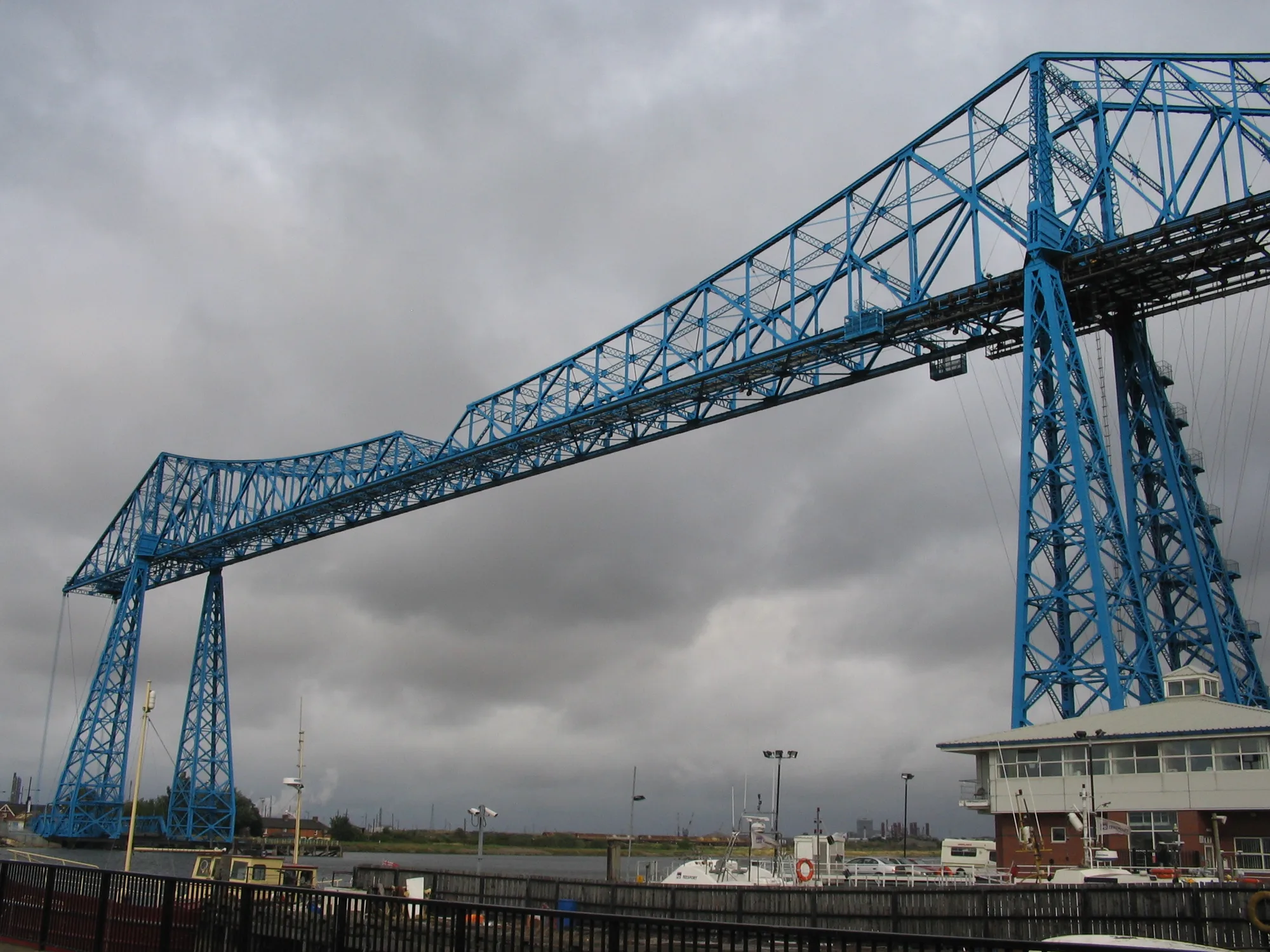
North East / Yorkshire and the Humber · England
Teesside & the Humber
If Britain decarbonises heavy industry, it happens here first.
Proposed by UKIZ · independent · not a government designation


The place
Teesside and the Humber hold what almost nowhere else in Britain does: very large industrial sites, deep water port capacity, existing chemicals and process engineering skills, and the pipelines and geology that hydrogen and carbon capture projects need. This is not a science park story. It is an industrial one.
Living here means towns rather than a single metropolis, a North Sea coast, the North York Moors on one side and the Wolds on the other, and housing costs among the lowest in the country.
- Working industry at genuine scale, still visible from the road
- Ports and river estuaries that define both regions
- Towns and coast rather than one dominant city
- The North York Moors and the Yorkshire Wolds close by
- Very low housing costs
Why Teesside & the Humber?
If Britain decarbonises heavy industry, it happens here first.
- Hydrogen and carbon capture projects clustered around existing industrial demand.
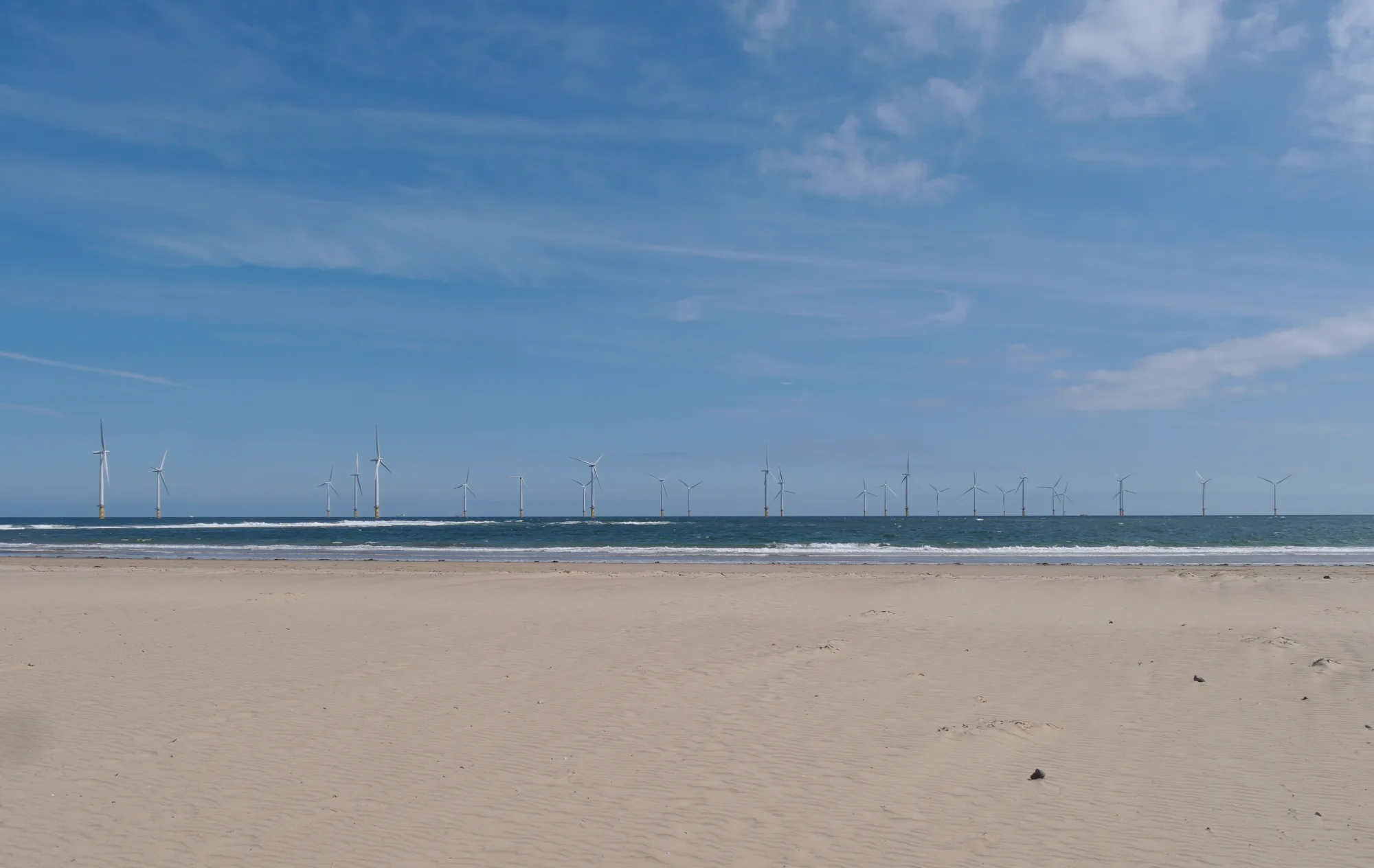
- Offshore wind manufacturing and installation on the two biggest estuaries facing the North Sea.
- Process and chemicals engineering skills built over generations.
- Industrial land and port capacity at a scale that cannot be recreated inland.
- Housing costs that are among the lowest in the UK.
This is an industrial region with real deprivation and a thin professional services base. It offers scale and skills, not an urban innovation-district lifestyle.
What's happening here
Britain is building, and a lot of it is here.
Each item below is a real programme, institution or development with a named source. UKIZ does not publish claims it cannot point at.
Teesside and the Humber host the UK's flagship industrial decarbonisation clusters
Government cluster sequencing has focused hydrogen and carbon capture deployment on these industrial areas.
GOV.UK: Carbon capture, usage and storage ↗The Humber and the Tees handle some of the largest freight tonnages of any UK ports
Port capacity underpins offshore wind assembly and industrial import and export.
Department for Transport: Port freight statistics ↗
What this place is good at
Strengths, from the canonical record.
- Hydrogen and carbon capture projects
- Offshore wind manufacturing and installation
- Process and chemicals engineering
- Large-scale industrial land and port capacity
- Clean Energy
- Advanced Manufacturing
- Advanced Materials
- Digital Technologies
- AgriTech & FoodTech
Government publishes Freeport designations and tax site boundaries for both areas.